
Korea Medical Tourism Guide 2026
How to plan your medical trip — hospitals, costs, visa, insurance & step-by-step planning.
Over 600,000 international patients visit South Korea for medical treatment every year, making it one of the top medical tourism destinations in the world. From cosmetic surgery to dental work and health checkups, Korea offers world-class care at a fraction of Western prices.
This guide covers everything international patients need to know — costs, top hospitals, visa requirements, tax refunds, and how to plan your medical trip to Korea.
Why Choose Korea for Medical Tourism?
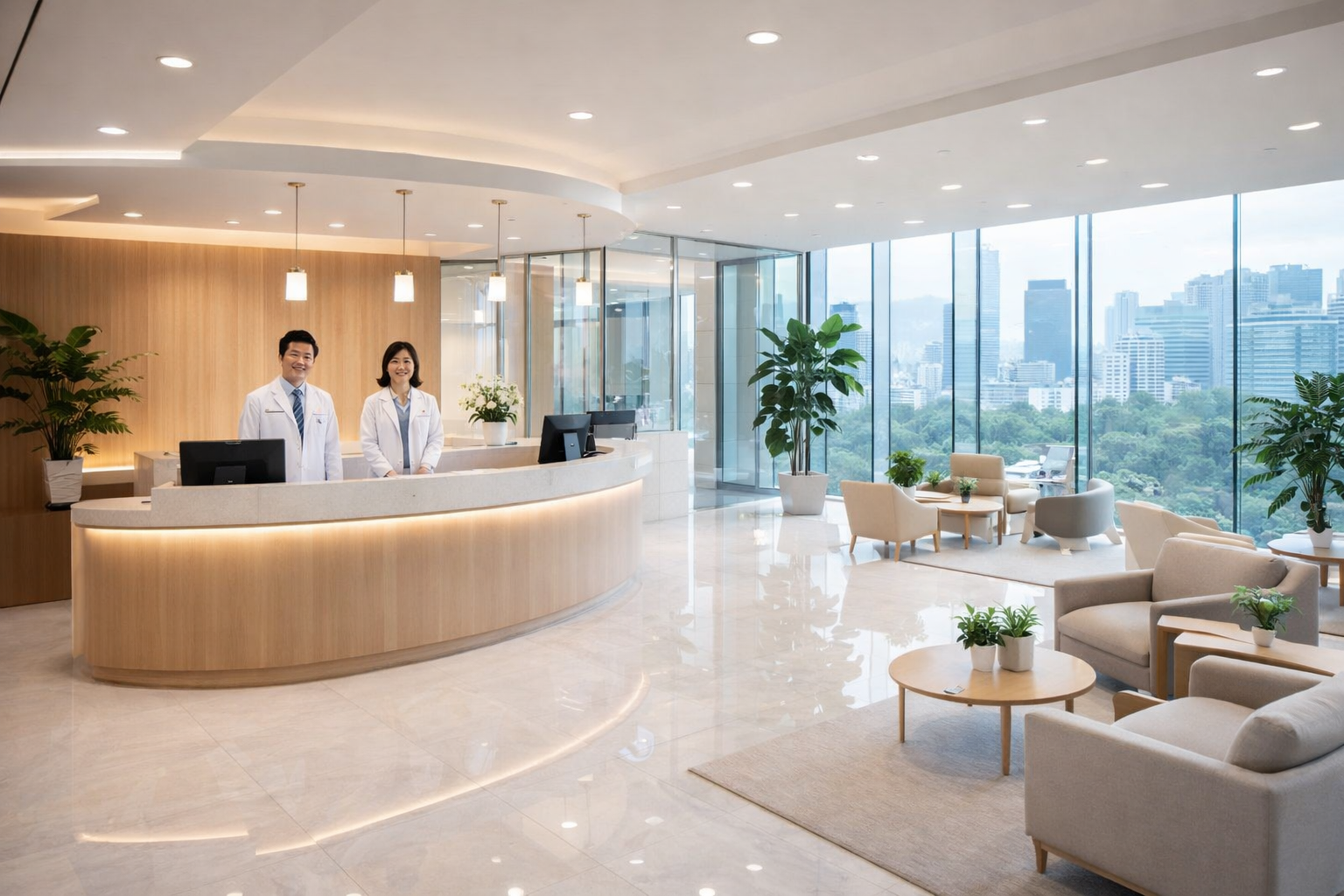
Korea’s medical tourism industry isn’t an accident — it’s the result of decades of government investment and world-class training programs:
- JCI-accredited hospitals — Korea has over 30 JCI-accredited medical facilities, more than most Asian countries. These meet the same standards as top US hospitals.
- 40-70% cost savings — Procedures cost significantly less than the US, UK, or Australia while maintaining equal or better outcomes. See cost comparison →
- Cutting-edge technology — Korea ranks #1 in OECD countries for MRI and CT scanner density. Robotic surgery, AI diagnostics, and 3D-printed implants are standard at major hospitals.
- No language barrier — Major hospitals have dedicated International Patient Centers with coordinators fluent in English, Chinese, Japanese, Russian, and Arabic.
- Government support — The Korea Health Industry Development Institute (KHIDI) actively promotes and regulates medical tourism, ensuring quality and patient protection.
Most Popular Medical Tourism Procedures
Cosmetic Surgery
The #1 reason international patients visit Korea. Double eyelid surgery, rhinoplasty, facial contouring, and breast augmentation are the most requested procedures. Korea performs more cosmetic procedures per capita than any other country. Complete plastic surgery guide →
Dermatology & Skin Treatments
Korean dermatology clinics are famous for laser treatments, chemical peels, and advanced skin rejuvenation. Treatments for acne scars, hyperpigmentation, and anti-aging are popular among international patients. Dermatology guide →
Dental Tourism
Dental implants, veneers, and orthodontics cost 50-60% less in Korea than in Western countries. Korean dental clinics use CAD/CAM technology for same-day crowns and digital smile design.
Health Checkups
Comprehensive health screening packages at Korean hospitals include full-body CT, MRI, cancer markers, genetic testing, and specialist consultations — all in one day for $500-$2,000 (vs. $5,000+ in the US).
Fertility & IVF
Korea’s IVF success rates are among the highest globally (40-50% per cycle), with costs around $3,000-$5,000 per cycle compared to $12,000-$15,000 in the US.
Medical Tourism Cost Comparison
| Procedure | Korea (USD) | US (USD) | Savings |
|---|---|---|---|
| Rhinoplasty | $3,000 – $6,000 | $8,000 – $15,000 | ~55% |
| Dental Implant (per tooth) | $800 – $1,500 | $3,000 – $5,000 | ~65% |
| LASIK (both eyes) | $1,000 – $2,000 | $4,000 – $6,000 | ~65% |
| Full Health Checkup | $500 – $2,000 | $5,000 – $10,000 | ~75% |
| IVF (per cycle) | $3,000 – $5,000 | $12,000 – $15,000 | ~65% |
| Knee Replacement | $8,000 – $12,000 | $30,000 – $50,000 | ~75% |
How to Plan Your Medical Trip
Step 1: Research & Choose a Hospital
Start 2-3 months before your trip. Use Visit Medical Korea (government portal) to find accredited hospitals. Request consultations from 2-3 hospitals to compare treatment plans and quotes.
Step 2: Get a Medical Visa (if needed)
Many nationalities can visit Korea visa-free for up to 90 days. For extended treatment, apply for a C-3-3 (Medical Tourism) visa. Your hospital can issue a visa invitation letter. Medical visa guide →
Step 3: Book Flights & Accommodation
Seoul is the hub for medical tourism, with Incheon Airport (ICN) serving as the main gateway. Many hospitals offer accommodation packages or partner with nearby hotels and recovery centers.
Step 4: Treatment & Recovery
Most hospitals assign a dedicated coordinator who handles translation, scheduling, and post-op care. Plan for follow-up visits before flying home.
Step 5: Claim Your Tax Refund
International patients can claim a VAT refund (10%) on medical expenses over ₩30,000. Keep all receipts and claim at the airport before departure. Tax refund guide →
Top Medical Tourism Hospitals in Seoul
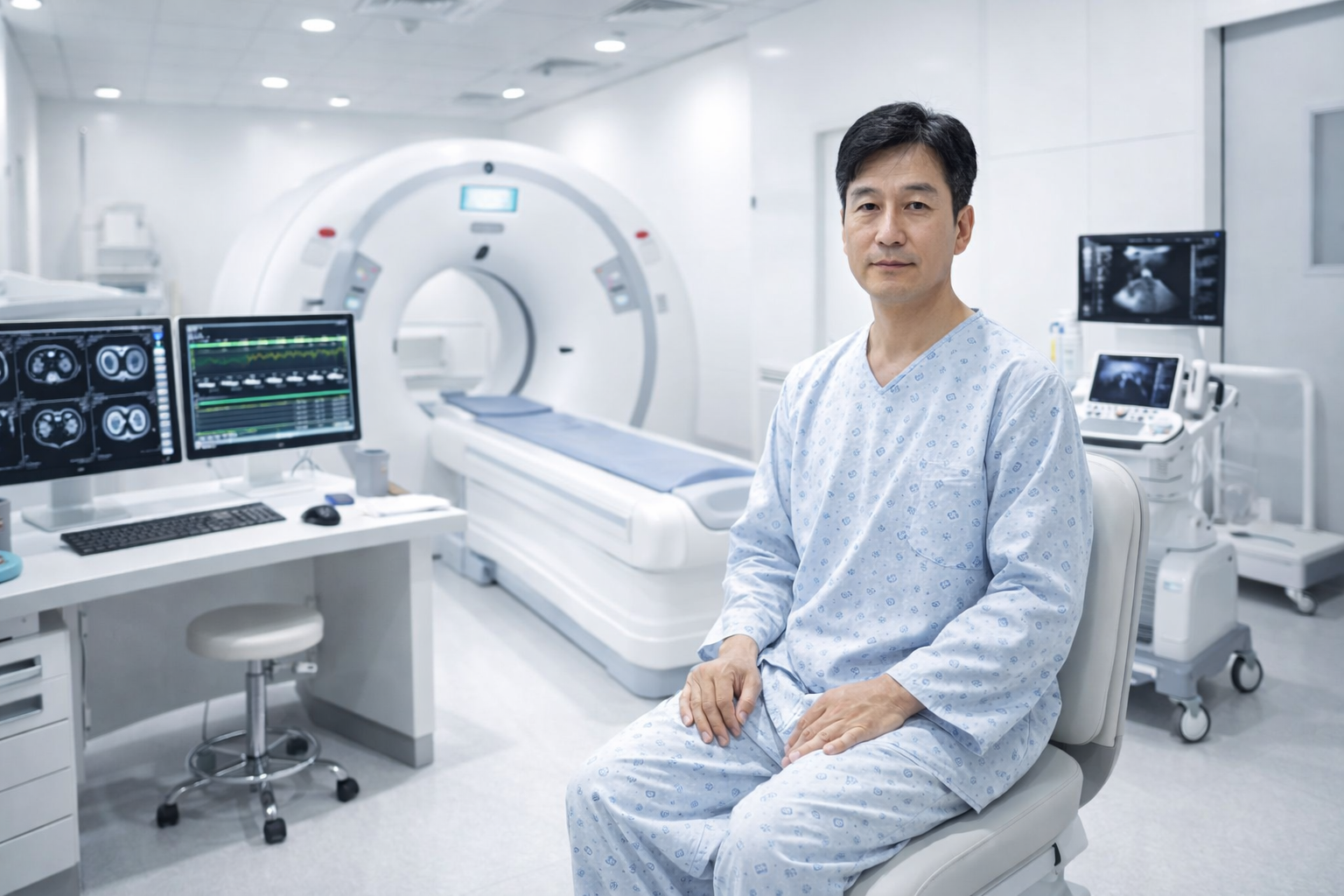
- Severance Hospital (Yonsei) — One of Korea’s largest and most prestigious hospitals. Full range of specialties with a dedicated International Health Care Center.
- Samsung Medical Center — Known for oncology, cardiology, and organ transplants. State-of-the-art facilities in Gangnam.
- Asan Medical Center — Korea’s largest hospital by bed count. Leading in liver transplants, cardiac surgery, and robotic surgery.
- Seoul National University Hospital (SNUH) — Korea’s top research hospital. Excellent for complex cases requiring multidisciplinary teams.
- Gangnam Severance — Specialized in cosmetic surgery, dermatology, and health checkups for international patients.
Medical Tourism Agencies
Medical tourism agencies act as intermediaries between patients and hospitals. They handle consultation booking, translation, airport pickup, accommodation, and post-op care.
- Pros: Saves time, reduces language barriers, often negotiates better prices
- Cons: Agency fees (10-20% markup), less direct communication with doctors
If you’re comfortable navigating independently, contacting hospitals directly is usually cheaper. For complex procedures or language-limited patients, a reputable agency adds value. Compare agencies →
Safety & Accreditation
- JCI Accreditation — The gold standard for international hospital quality. Korea has 30+ JCI-accredited facilities.
- KOSES — Korean government’s medical tourism quality certification program.
- Insurance — Most international travel insurance covers emergency care in Korea. For elective procedures, check your policy or purchase supplemental medical tourism insurance.
- Patient rights — Korea’s Medical Service Act protects all patients, including foreigners, with clear complaint and arbitration procedures.
Korea Medical Tourism Statistics
- 606,000+ international patients in 2025 (pre-COVID peak: 497,000 in 2019)
- $1.8B revenue from medical tourism annually
- Top source countries: China (30%), Japan (15%), US (10%), Russia (8%), Southeast Asia (20%)
- Average spend: $2,800 per patient (medical only, excluding travel)
- Patient satisfaction: 94% would recommend Korea for medical treatment
Next Steps
- Explore plastic surgery options — The most popular medical tourism category
- Compare packages — All-inclusive deals from top hospitals
- Check visa requirements — Entry requirements for your nationality
- Learn about tax refunds — Save 10% on your medical expenses
- Read real experiences — What other patients say
Explore All Medical Tourism Guides
Ready to Start Your Korea Journey?
Get personalized clinic recommendations, cost estimates, and travel planning tips — all in one place.