Korean Traditions Visitors Actually Encounter: What to Expect and How to Respond
Korea's social customs — removing shoes at the door, using both hands to give or receive anything, waiting for the eldest to eat first — follow a consistent Confucian logic around age and seniority. Learn the five situations you will almost certainly encounter on a short trip, and exactly what to do in each one.
The logic behind it all: Confucian seniority in everyday life
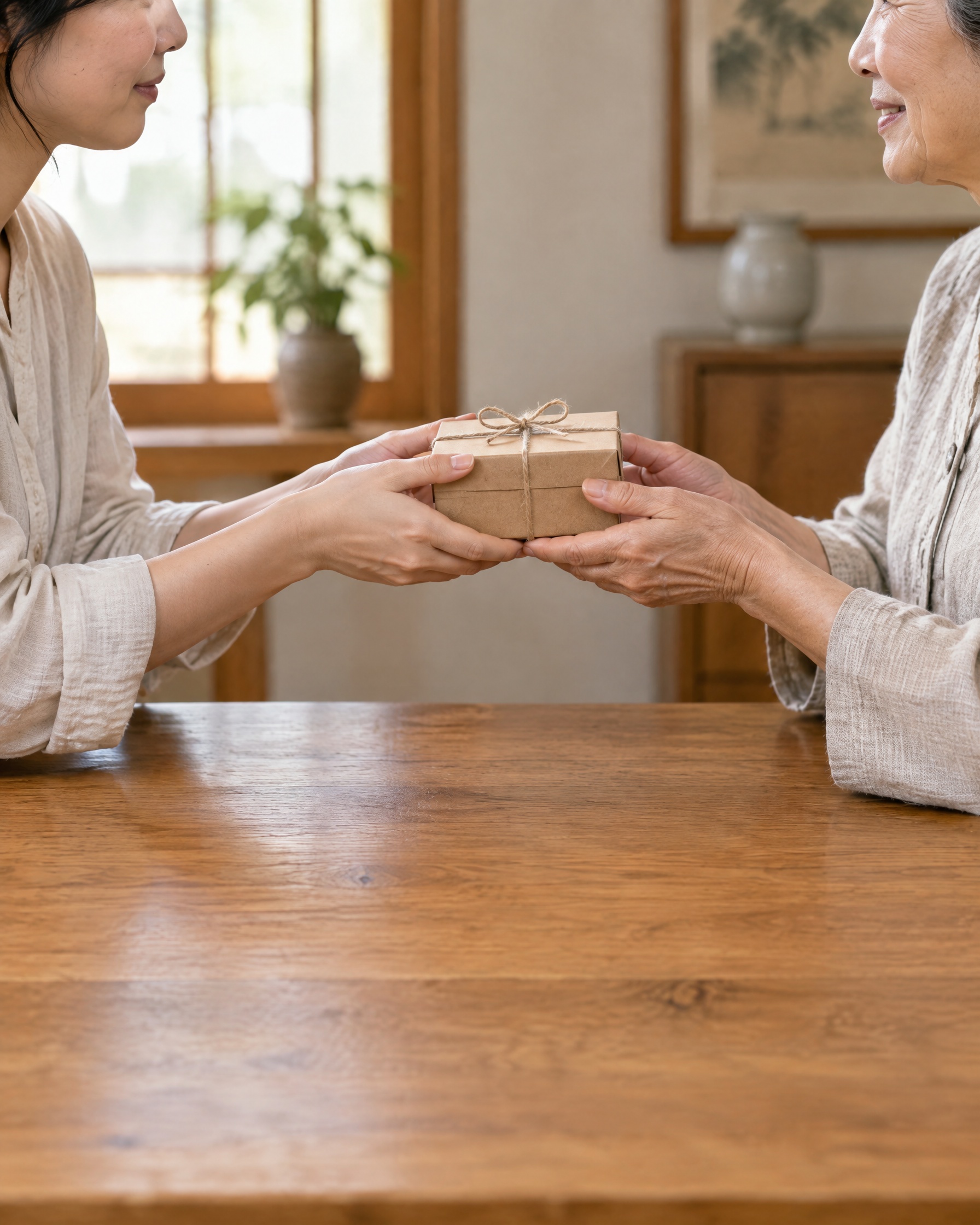
Almost every custom a visitor notices in Korea traces back to the same idea: people of greater age or higher status deserve visible, active deference. This is not formality for its own sake. Korean culture, shaped for centuries by Confucian values, treats the acknowledgement of seniority as a form of care — a way of making relationships legible and safe for everyone involved.
The practical result is a set of small, repeated gestures: both hands offered when something passes between people; the younger person pouring, never the elder; the guest waiting until the host has begun. Understanding this one principle makes every individual custom easier to adapt to gracefully, even when the exact form varies from the version described here.
Official reference: english.visitseoul.net
The two-hand rule: giving, receiving and pouring
If you learn one thing before arriving, make it this: use both hands whenever something passes between you and another person. Handing over a passport at a hotel desk, offering a business card, presenting a gift, taking change from a cashier — all of these are done more respectfully with both hands extended. The same applies when you receive any object. According to the Visit Seoul official etiquette guide, giving and receiving any object should be done using both hands.
At a table, the rule extends to drinks. When you pour for someone else, hold the bottle with both hands — or support your pouring arm at the wrist with your free hand. When someone pours for you, hold your glass with both hands to receive it. Korea.net describes receiving a cup with two hands as a direct expression of courtesy to the other person.
You don't need to make a performance of it. A light touch of the left hand to your right forearm while handing something over reads correctly to any Korean host. The gesture signals that you understand the exchange matters.
Official reference: english.visitseoul.net · www.korea.net
Shoes off: where, when and what to do at the door
The requirement to remove shoes is firm in three settings: any private home, Buddhist temple buildings, and Korean inns (guesthouses). Some traditional restaurants where diners sit cross-legged at low floor tables also require shoes off at the entrance. The Visit Seoul etiquette guide states this directly: take your shoes off at the door when entering any residence, temple, or guesthouse.
The entrance area in a Korean home typically has a raised step — the ondol floor begins there. Leave shoes neatly on the lower tile area, toes pointing toward the door. Slippers are often provided for guests; accept them even if you don't intend to wear them indoors, as the offer is part of the welcome. At temples, look for signs near the main hall entrance; auxiliary outdoor areas generally do not require shoe removal.
At floor-seating restaurants, you will usually spot a shoe rack or a step at the room entrance. If you see other diners padding around in socks, follow their lead. Wearing socks without holes is a practical courtesy worth keeping in mind on travel days.
Official reference: english.visitseoul.net · english.visitseoul.net
Shared meals: elder-first, chopstick rules and the spoon
Lunch
Bibimbap
A bowl of warm rice topped with seasoned vegetables, a fried or raw egg, and gochujang chilli paste, mixed together at the table before eating — one of Korea's most widely available and welcoming dishes for first-time visitors.
Fit it into your day: Nationwide; the Jeonju version is considered a regional classic
Lunch or dinner
Samgyetang (ginseng chicken soup)
A whole small chicken stuffed with glutinous rice, garlic and ginseng, simmered in broth and served in the clay pot it was cooked in — a nourishing single-serving dish that sidesteps most shared-bowl dynamics.
Fit it into your day: Seoul and nationwide
At any shared Korean meal, do not pick up your chopsticks or spoon until the eldest person at the table has begun eating. This is the single most visible dining custom and the one hosts notice most readily. The Visit Seoul guide is clear: start your meal once the eldest at the table begins eating.
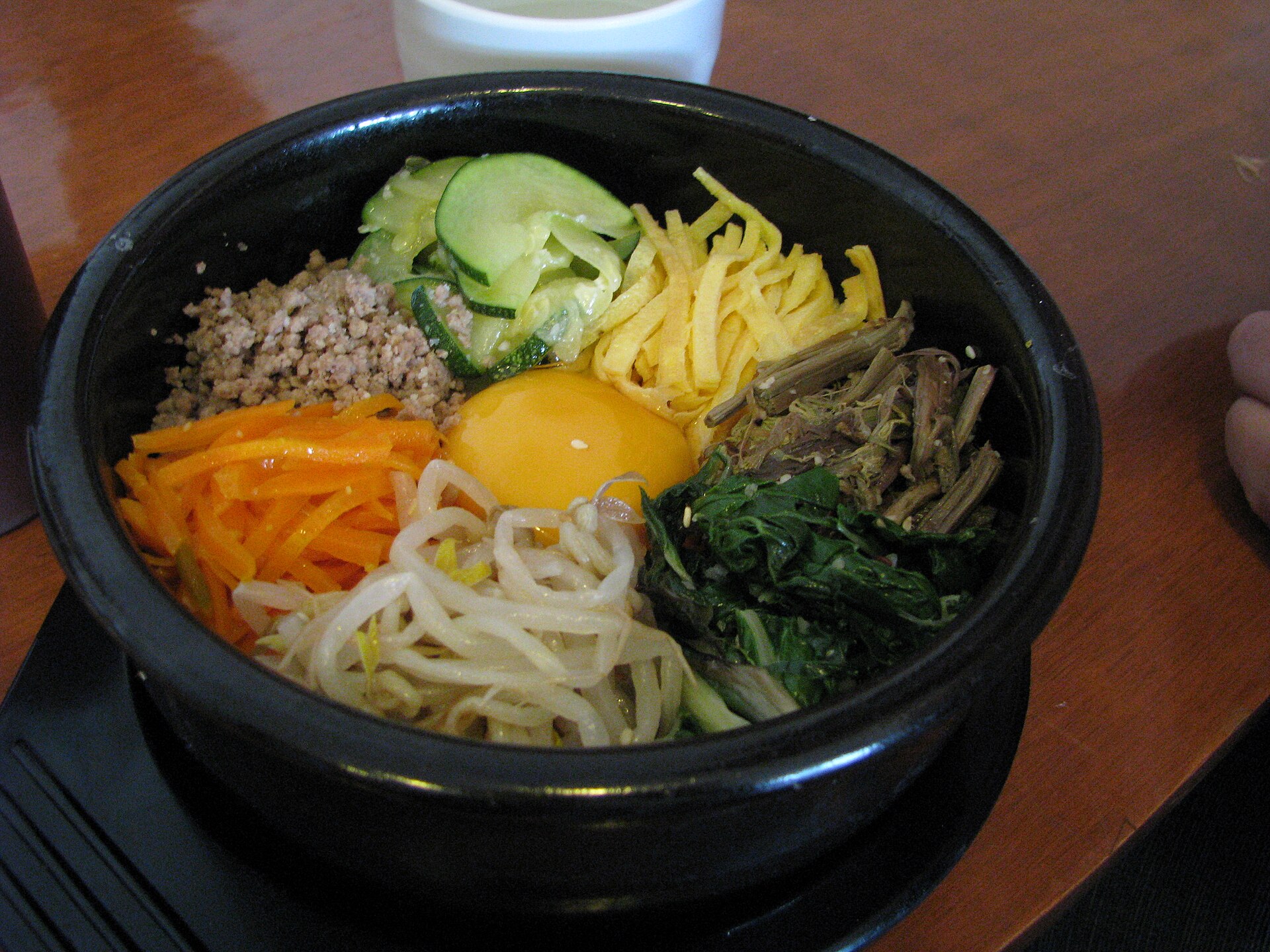
Photo credit
Jerine Lay / CC BY 2.0. Resized/cropped for display; the photograph retains its license.

Korean chopsticks are flat and metal, which makes them handle differently from the wooden chopsticks common elsewhere. Use the spoon — not chopsticks — for rice and soup; chopsticks are for side dishes. Never leave chopsticks or a spoon sticking upright in a rice bowl, as this resembles incense placed at funeral rites and carries a strong negative association. When you finish eating, return both utensils to the position they were in when the meal began.
Side dishes spread across the table are communal. Take a small amount at a time from dishes near you; avoid picking through them for preferred pieces. Chewing with your mouth closed is expected. These are not rules enforced with glares — most Korean hosts extend considerable patience to foreign guests — but following them shows genuine respect.
Official reference: english.visitseoul.net · english.visitseoul.net
Drinking rounds: who pours, who drinks first, and what to do if you don't drink
Korean drinking etiquette flows from the same seniority logic. The first rule is simple: never pour your own drink. Pour for others, starting with the most senior person at the table. Hold the bottle with both hands, or support your pouring arm at the wrist. When your glass is being filled, hold it out with both hands.
The most senior person at the table drinks first. If you are clearly the junior person in the group, it is considered good form to turn your head slightly away from a senior as you drink — a gesture of modesty with roots in historical court etiquette, noted in the Visit Seoul guide. You will not be expected to know this as a foreign visitor, but you may notice Korean companions doing it.
If you do not drink alcohol, the most practical move is to accept a cup when it is offered, hold it, say thank you, and set it down after a moment without emptying it. Korea.net's historical account notes that even non-drinkers were expected to sip offered cups and return them to the table rather than refuse outright. Explaining politely that you don't drink is also well understood and respected — Korean hospitality does not require guests to drink against their preferences.
Official reference: english.visitseoul.net · www.korea.net
Bowing and greetings: what the nod actually means and when to handshake
The standard greeting in Korea is a short bow — in most everyday situations, essentially a nod of the head with the upper body inclining slightly forward. The Visit Seoul etiquette guide describes it as 'a short bow — essentially a nod — and soft handshake using both hands.' The deeper the bow, the more formal the respect being expressed; a brief incline is appropriate in most tourist encounters.
Handshakes are common, particularly when meeting someone for the first time in a business or semi-formal context. The respectful form is to extend your right hand while your left hand touches your own right forearm or wrist — a visual echo of the two-hand rule. Men more commonly follow a bow with a handshake; reading the other person's gesture and mirroring it is perfectly appropriate.
Foreign visitors are not expected to get any of this exactly right, and Koreans are generally quick to appreciate any genuine effort. A small bow at the beginning and end of an interaction — meeting someone at a guesthouse, leaving a restaurant where the owner has been attentive — lands well without requiring precision.
Official reference: english.visitseoul.net · english.visitseoul.net
Hanbok: wearing traditional dress as a visitor
Wearing hanbok — Korea's traditional layered garment — is actively encouraged for foreign visitors and is one of the most enjoyable cultural participation options on a short trip. Rental shops cluster near Gyeongbokgung Palace, Bukchon Hanok Village, Insadong and Jeonju Hanok Village, offering a range of colours and sizes.
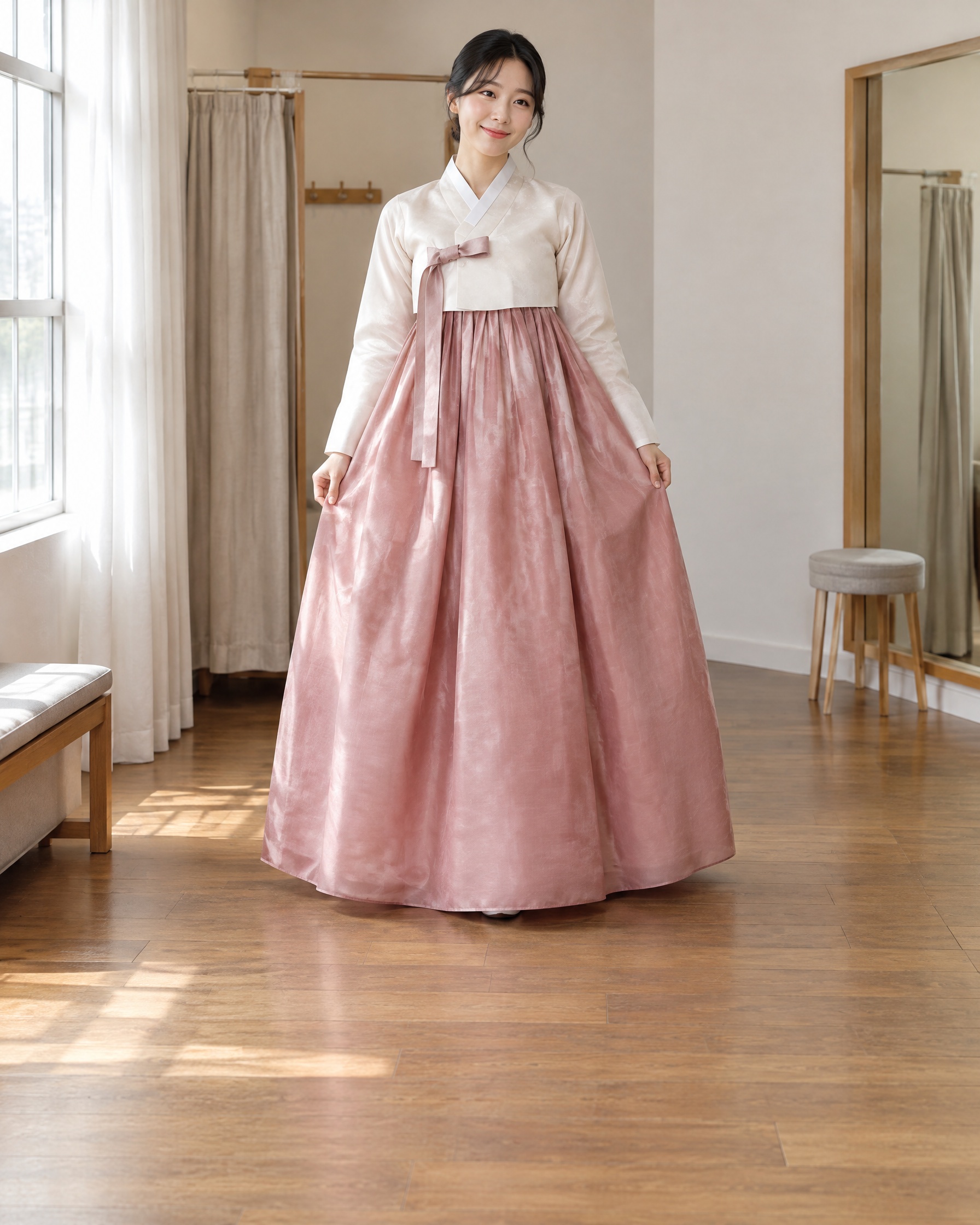
One practical incentive: visitors wearing hanbok receive free entry to Seoul's four royal palaces, including Gyeongbokgung and Changdeokgung. Rental shops typically ask for ID — a passport is accepted — and may require a cash deposit. Rental periods generally range from a few hours to a full day, with most visitors returning the outfit before closing time. Confirm current terms and deposit requirements directly with your chosen shop before visiting, as conditions vary.
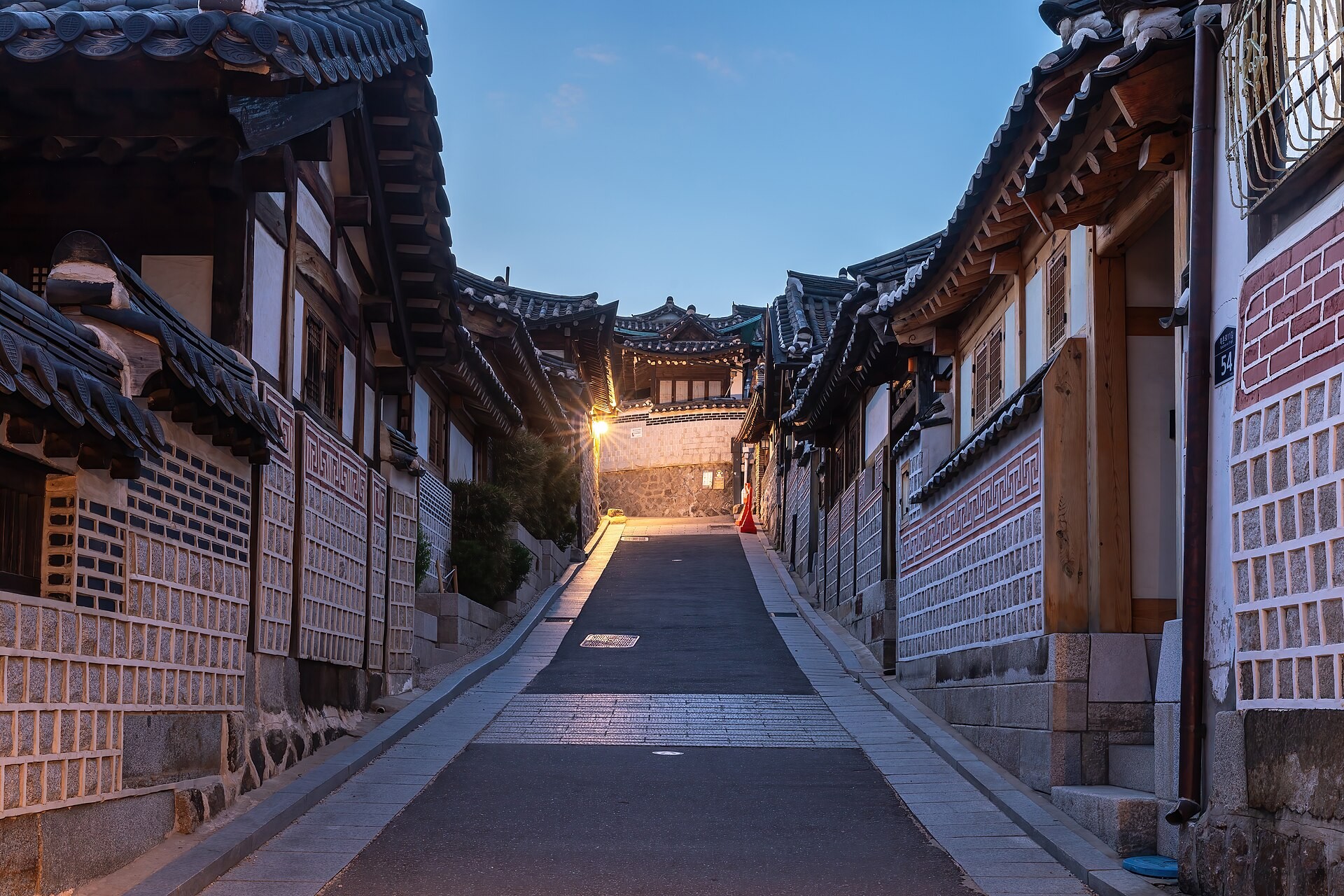
Photo credit
Basile Morin / CC BY-SA 4.0. Resized/cropped for display; the photograph retains its license.

The hanbok itself consists of a jeogori (short jacket) and either a chima (full skirt) for women or baji (trousers) for men, with colour combinations that vary by season and occasion. Rental outfits are designed for street wear and photography rather than strict historical accuracy, and shops will help with fitting and tying. Bukchon's narrow lanes, lined with traditional tile-roofed houses, are a particularly popular backdrop.
Official reference: english.visitseoul.net
Quick reference: five situations and what to do
The customs above are easier to remember when mapped to the moments they actually appear. Here is a condensed reference for five situations you are likely to encounter within the first day or two of arriving.
| Situation | What happens | What you do |
|---|---|---|
| Entering a home, guesthouse or temple building | Host removes shoes at a raised step or shoe rack | Remove your shoes, leave them neatly at the entrance, accept slippers if offered |
| Giving or receiving any object | Exchange of gifts, cards, change or documents | Extend both hands to give or receive; or support your right forearm with your left hand |
| Sitting down to a shared meal | Food is served and everyone is seated | Wait for the eldest at the table to lift their spoon before picking up your utensils |
| Joining a group drink | Glasses are being filled around the table | Hold your glass with both hands to receive; pour for others before yourself, seniors first; never fill your own glass |
| Meeting or departing from a host or elder | Introduction or farewell | Give a small bow (slight forward incline); follow with a right-hand shake supported by the left if they extend a hand |
Official reference: english.visitseoul.net · english.visitseoul.net · www.korea.net
Sources and trip notes
Official information checked 30 October 2026. Routes are editorial suggestions. Check date-specific conditions with the operator before travel; photographs are archival.
KEEP THE GOOD FINDS
This could be part of your Korea.
Save this guide alongside your other ideas. You can come back to compare, plan, or explore something new.