Korea Rhinoplasty Guide 2026
Why 50,000+ international patients choose Korea for nose surgery — techniques, costs & recovery.
Rhinoplasty is the second most popular cosmetic procedure in Korea, with over 100,000 nose surgeries performed annually. Korean rhinoplasty is renowned for creating natural, harmonious results that complement Asian facial features — a stark contrast to the dramatic transformations common in Western surgery.
This guide covers Korean rhinoplasty techniques, costs, before-and-after results, recovery timelines, and how to choose the right surgeon.
Why Korean Rhinoplasty Is Different
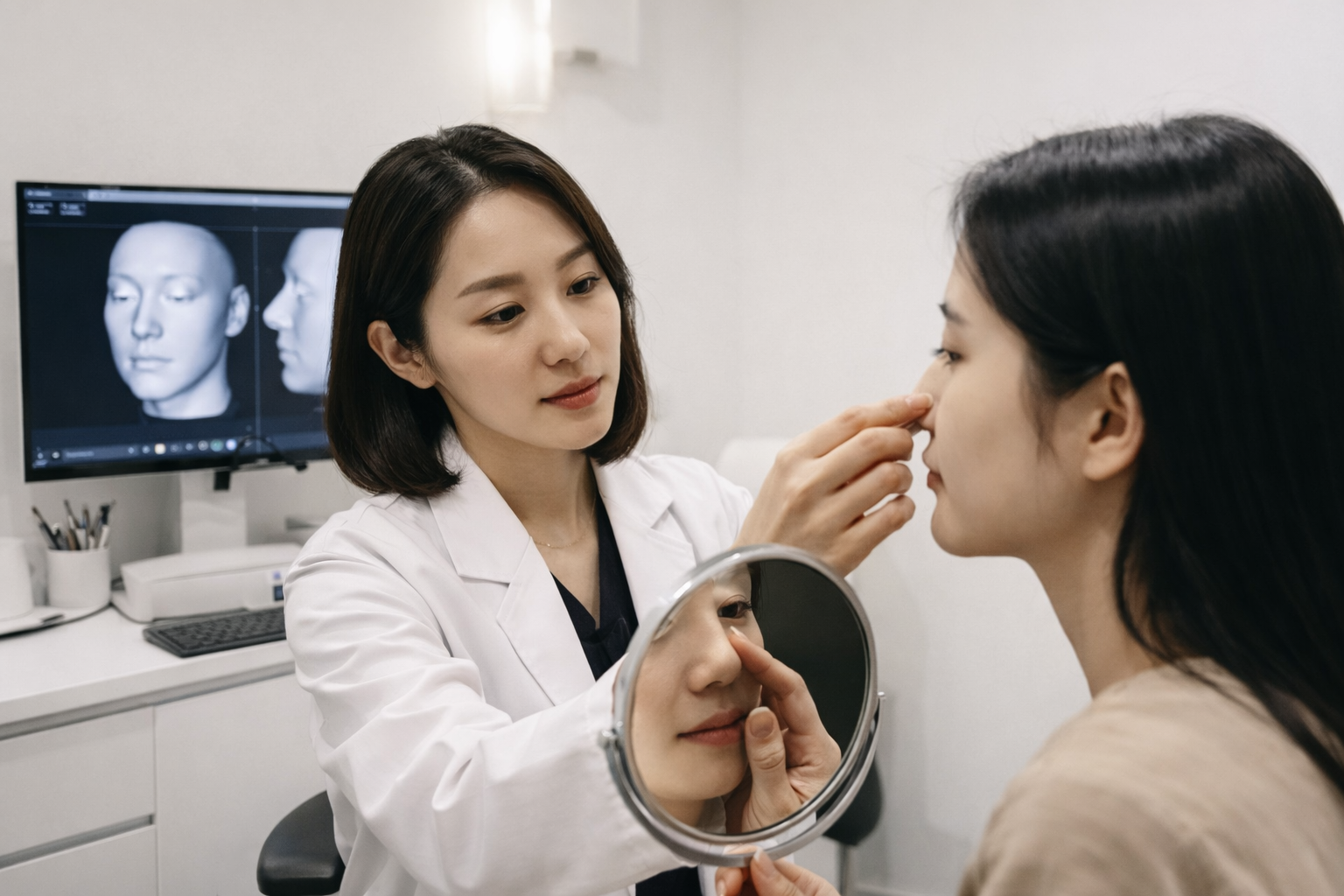
Korean rhinoplasty has evolved into a highly specialized field with distinct philosophies:
- Harmony over drama — Korean surgeons aim for a nose that fits your face, not a cookie-cutter “ideal nose.” The goal is improvement without an obvious “done” look.
- Structural approach — Rather than just adding an implant, Korean surgeons often combine bridge augmentation, tip plasty, and alar reduction for comprehensive reshaping.
- Asian-specific techniques — Korean surgeons understand Asian nasal anatomy (thicker skin, weaker cartilage, wider alar base) better than Western surgeons who primarily operate on Caucasian noses.
- Revision expertise — Korea has become the global destination for rhinoplasty revision cases, with surgeons experienced in correcting botched procedures from other countries.
Common Rhinoplasty Techniques in Korea
Bridge Augmentation
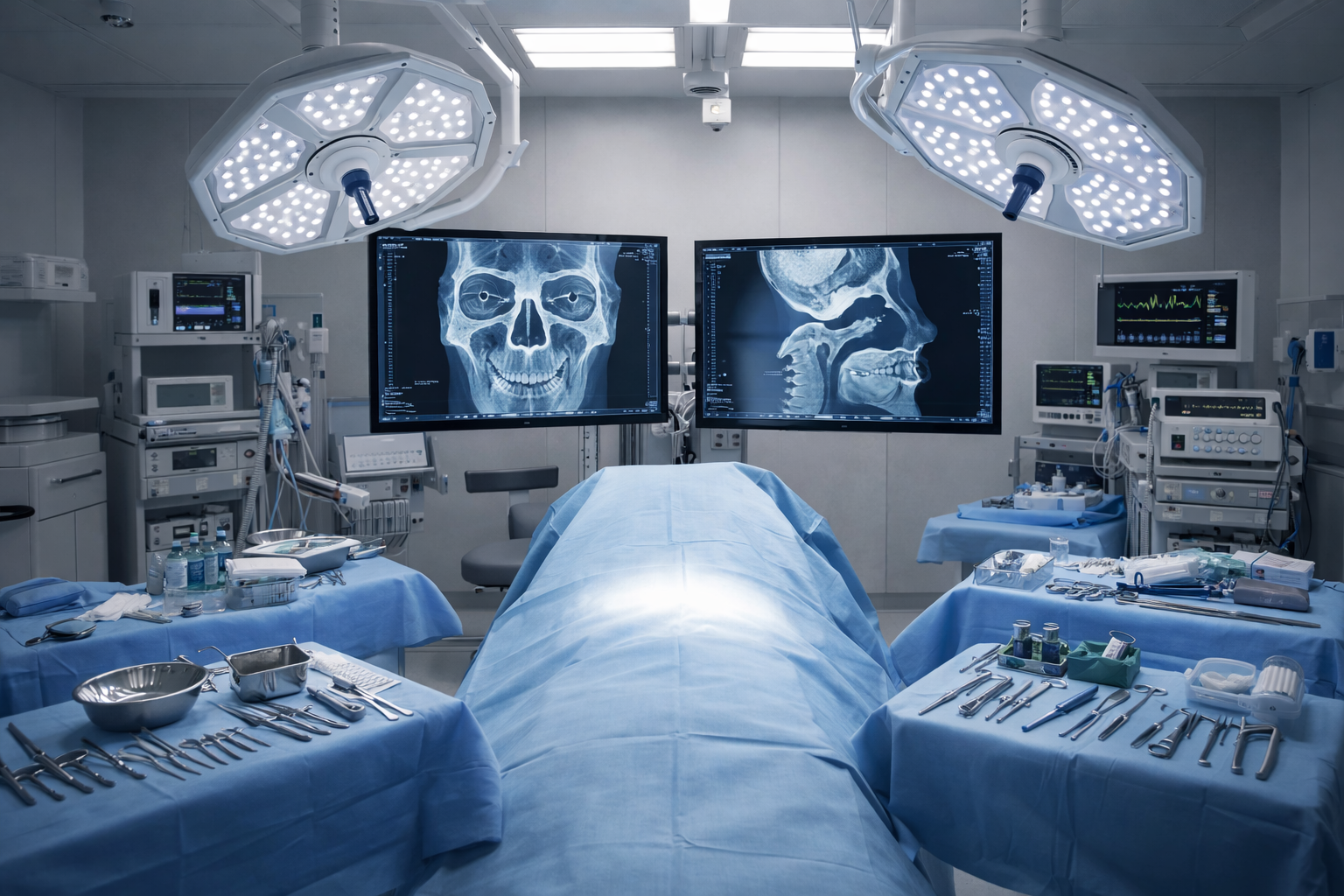
Raising the nose bridge using silicone implant (most common), Gore-Tex (softer, lower capsular contracture risk), or rib cartilage (for revision cases). Korean surgeons prefer custom-carved implants over off-the-shelf shapes.
Tip Plasty (코끝 성형)
Refining the nasal tip using ear cartilage (most common donor site), septal cartilage, or rib cartilage. Techniques include cartilage grafting, shield grafts, and columellar strut placement for better tip projection and definition.
Alar Reduction (콧볼 축소)
Narrowing wide nostrils through internal or external incisions. Korean surgeons use conservative techniques to avoid unnatural-looking pinched nostrils.
Deviated Nose Correction
Functional rhinoplasty to correct a crooked nose, often combined with septoplasty for improved breathing. Many Korean rhinoplasty specialists are trained in both cosmetic and functional nasal surgery.
Revision Rhinoplasty
Correcting unsatisfactory results from previous surgery. This is the most complex rhinoplasty type, often requiring rib cartilage and advanced reconstruction techniques.
How Much Does Rhinoplasty Cost in Korea?
| Procedure Type | Korea (USD) | US (USD) |
|---|---|---|
| Basic Rhinoplasty (bridge + tip) | $3,000 – $5,000 | $8,000 – $12,000 |
| Comprehensive (bridge + tip + alar) | $4,000 – $7,000 | $10,000 – $15,000 |
| Revision Rhinoplasty | $5,000 – $10,000 | $12,000 – $20,000 |
| Rib Cartilage Rhinoplasty | $6,000 – $12,000 | $15,000 – $25,000 |
| Functional (septoplasty combo) | $4,000 – $8,000 | $8,000 – $15,000 |
→ Detailed cost breakdown with clinic comparison →

Recovery Timeline
| Day | What to Expect |
|---|---|
| Day 0 | Surgery (1-3 hours). Nasal splint applied. Mild pain managed with medication. |
| Days 1-3 | Peak swelling and bruising. Sleep elevated. Cold compresses help. |
| Day 5-7 | Splint and stitch removal. Major bruising fades. Can return to light activities. |
| Weeks 2-4 | Most visible swelling subsides. Can wear glasses again. Social recovery complete. |
| Months 1-3 | Nose shape continues refining. Tip swelling gradually decreases. |
| Months 6-12 | Final result. Tip fully settles. Scars (if any) fade to near-invisible. |
Plan at least 10-14 days in Korea for rhinoplasty. You’ll need 2-3 follow-up visits before the surgeon clears you for travel. Full recovery guide →
How to Choose a Rhinoplasty Surgeon
- Board certification — Must be 성형외과 전문의 (plastic surgery specialist). Only ~2,000 doctors in Korea hold this certification.
- Rhinoplasty focus — Choose a surgeon whose practice is 70%+ rhinoplasty, not a generalist who does everything.
- Before & after consistency — Look for natural, consistent results across many patients, not just cherry-picked best cases. See real B&A photos →
- Revision rate — Ask directly. Good rhinoplasty surgeons have revision rates under 5%.
- Approach match — Some surgeons prefer silicone, others use only autologous cartilage. Make sure their philosophy matches your preference.
Rhinoplasty for Men
Male rhinoplasty in Korea is growing rapidly. Key differences from female rhinoplasty:
- Straighter bridge profile (less concavity) with a slightly wider base
- Stronger, more angular tip projection
- Maintaining masculine proportions — the nose should complement, not soften, male facial features
Rhinoplasty Packages
Many Korean clinics offer all-inclusive rhinoplasty packages for international patients:
- Surgery + anesthesia + hospital stay
- Airport pickup and drop-off
- Hotel accommodation (5-7 nights)
- Post-op care visits and medication
- English-speaking coordinator throughout
Packages typically cost 20-30% more than surgery alone but remove all logistical stress. Compare packages →
Next Steps
- Check costs — Get realistic price expectations
- See real results — Before & after photos from verified patients
- Understand recovery — Plan your trip length
- Compare clinics — Find the best surgeon for your case
- Plan your trip — Visa, accommodation, and logistics
Explore All Rhinoplasty Guides
Ready to Start Your Korea Journey?
Get personalized clinic recommendations, cost estimates, and travel planning tips — all in one place.