
Korea Rhinoplasty Recovery: Complete Timeline & Tips (2026)
Korean rhinoplasty recovery takes 10-14 days before you’re “socially presentable.” Cast removal at day 5-7, stitches out day 7-10. You can fly home after day 10-14. Full swelling resolution: 6-12 months. Korea has excellent post-op infrastructure: recovery guesthouses, post-op care centers, and clinic follow-up systems designed for international patients.
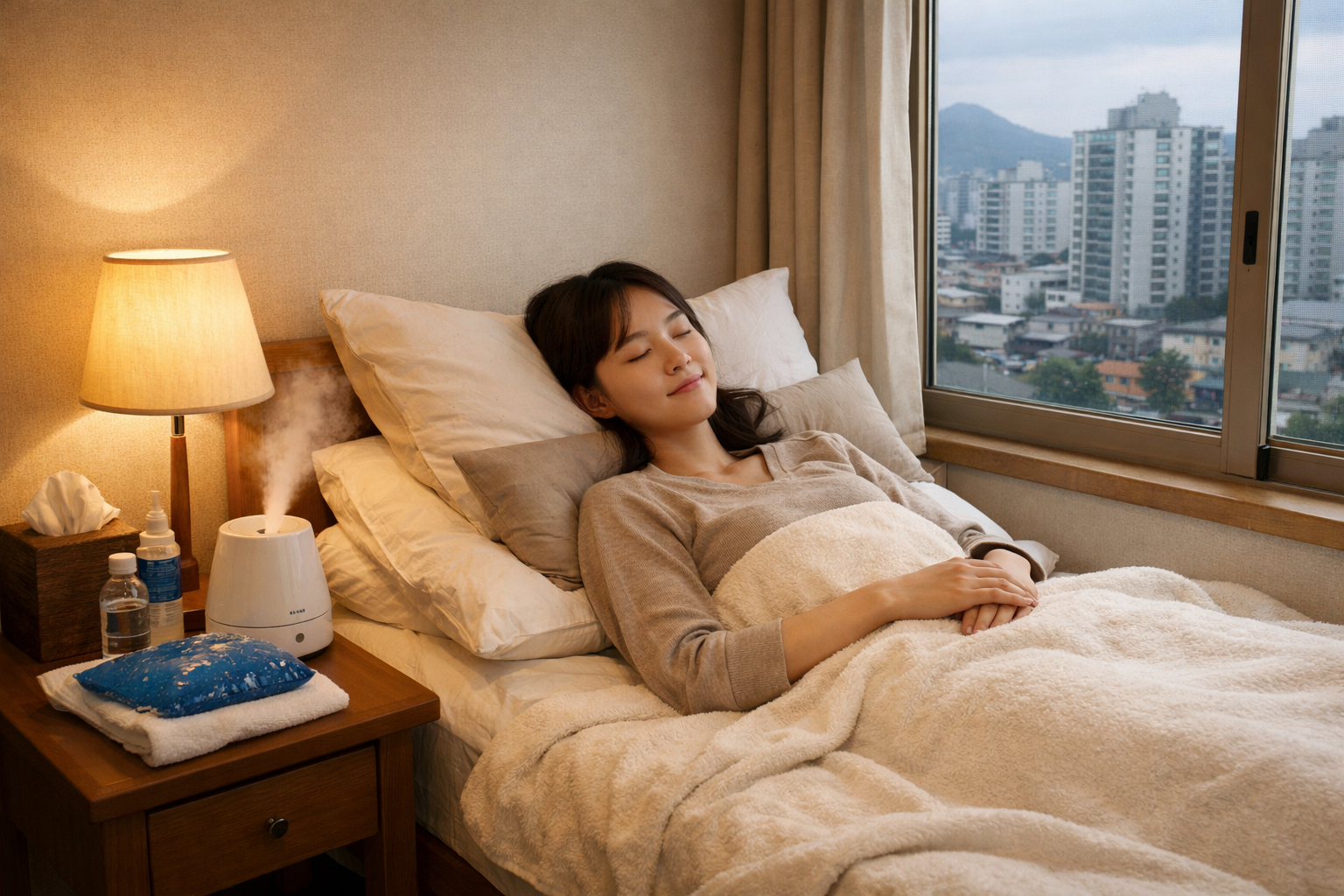
Recovery Timeline
| Day | What Happens | Pain Level | What You Can Do |
|---|---|---|---|
| Day 0-1 | Surgery day, nasal packing, splint applied | 4-6/10 | Rest, ice, elevate head |
| Day 2-3 | Peak swelling, bruising appears | 3-5/10 | Short walks, light meals |
| Day 4-5 | Swelling starts reducing, packing may be removed | 2-4/10 | Light activity, eat normally |
| Day 5-7 | Cast/splint removal, stitches may come out | 2-3/10 | Brief outings with mask |
| Day 7-10 | Remaining stitches removed, bruising fading | 1-2/10 | Most normal activities |
| Day 10-14 | Presentable with light makeup/concealer | 0-1/10 | Fly home, return to work |
| Week 3-6 | 80% swelling gone, shape refining | 0 | Light exercise, most activities |
| Month 3-6 | 90% final result visible | 0 | Full exercise, contact sports |
| Month 6-12 | Final result, all swelling gone | 0 | Everything, no restrictions |
Recovery Accommodation in Seoul
- Near Gangnam clinics
- Staff understands post-op needs
- Humidifier & air purifier
- Meal delivery arrangements
- Other patients for support
- Full privacy
- Choose your location
- Room service available
- More space
- No medical atmosphere
- Nurse monitoring
- Immediate doctor access
- IV drips & medication
- 1-2 nights only typically
- Not available at all clinics
Essential Recovery Tips
Sleep Elevated (45 degrees)
Use a travel pillow or stack 2-3 hotel pillows. Sleeping elevated for the first 2 weeks dramatically reduces swelling. This is the single most important recovery tip.
Ice Religiously for 48 Hours
Apply ice packs (wrapped in cloth) to cheeks and under eyes — never directly on the nose. 15 minutes on, 15 minutes off. This reduces swelling and bruising by 30-50%.
Stock Up on Soft Foods
You’ll breathe through your mouth for 2-5 days. Eating is awkward. Stock up on Korean porridge (죽), smoothies, soup, and yogurt. Seoul convenience stores (CU, GS25) sell ready-made porridge.
Wear a Mask — You’ll Blend In
Korea’s mask culture is your best friend during recovery. Nobody will look twice at you wearing a mask on the subway or in cafes. Stock up on comfortable KF94 masks from any convenience store.
Korea is uniquely suited for rhinoplasty recovery: mask culture means nobody questions a covered face, soft food is everywhere (porridge shops, soup restaurants), pharmacies are on every corner for medication and supplies, and post-op care centers near Gangnam offer affordable daily check-ups and wound care.
What NOT to Do During Recovery
- No glasses on your nose for 4-6 weeks — tape them to your forehead or use contacts
- No blowing your nose for 2-3 weeks — dab gently only
- No strenuous exercise for 3-4 weeks — walking is fine after day 3
- No alcohol for 2 weeks — increases swelling and bleeding risk
- No swimming/sauna for 4-6 weeks — infection risk
- No sun exposure to the nose for 3 months — can cause permanent discoloration
Frequently Asked Questions
When can I fly home after rhinoplasty?
Most Korean surgeons clear you to fly after day 10-14, once stitches are removed and the cast is off. Cabin pressure can slightly increase swelling but isn’t dangerous. Use saline nasal spray during the flight to prevent dryness. Wear a mask for the entire flight.
How do I handle follow-ups after returning home?
Korean clinics offer remote follow-up via KakaoTalk: send photos and the surgeon reviews your progress. For stitch removal or concerns, your local ENT or plastic surgeon can handle it with guidance from your Korean surgeon. Most Korean clinics provide a detailed post-op protocol to share with your local doctor.
What if something goes wrong during recovery?
Korean clinics have 24/7 emergency lines for post-op patients. If you’re still in Seoul, they’ll see you immediately. For emergencies after returning home, they’ll guide your local doctor via video call. This is why travel insurance covering surgical complications is essential.