Korean Cultural Etiquette: What First-Time Visitors Actually Need to Know Before They Arrive
Korean etiquette is not a minefield. Koreans are, according to the official Visit Seoul guide, friendly and understanding toward foreign visitors who commit minor faux pas out of ignorance rather than malice. What actually registers are a handful of specific gestures — using two hands, removing your shoes, letting the senior person eat first — that carry real social meaning. Get those right and you are doing well.

Photo credit
Basile Morin / CC BY-SA 4.0. Resized/cropped for display; the photograph retains its license.

How strict is Korean etiquette, really?
Online lists about Korean etiquette tend toward one of two extremes: either a long roster of alarming prohibitions, or platitudes so vague they are useless by the time you land. The reality is more practical. Korean culture places genuine value on respect for seniority and on deliberate, attentive gestures — but the same Visit Seoul etiquette guide that explains those values also notes that Koreans give foreigners considerable goodwill when mistakes are clearly unintentional.
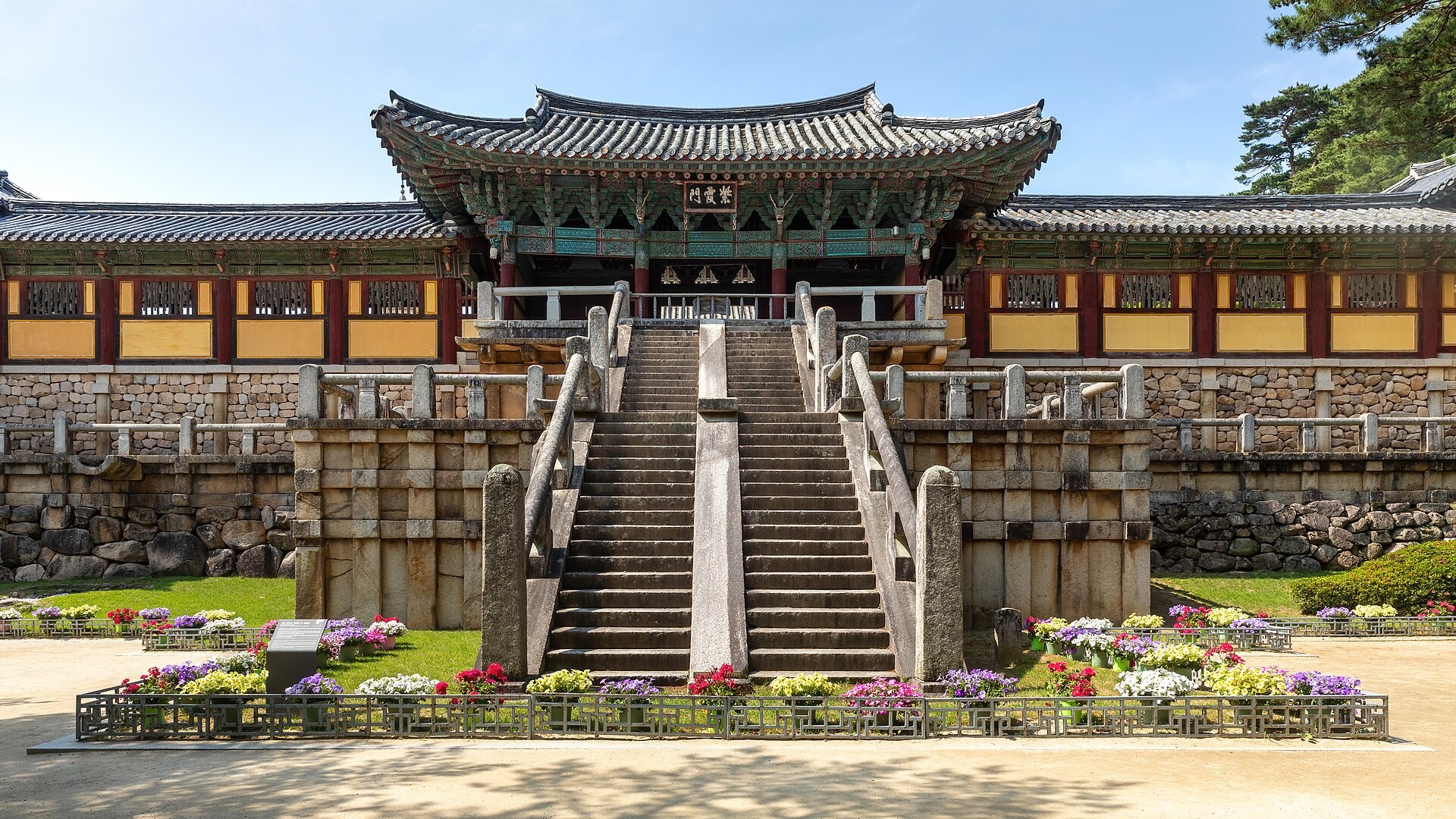
Photo credit
Basile Morin / CC BY-SA 4.0. Resized/cropped for display; the photograph retains its license.

The customs worth learning are not arbitrary rules. Most of them share a common logic: a two-handed gesture, a moment of deference to a senior, a quiet acknowledgement that you are in someone else's space. Once you understand the logic, the specific rules stop feeling like a checklist and start feeling like natural extensions of the same idea. This guide focuses on the five or six moments where that logic surfaces most visibly.
Official reference: english.visitseoul.net
Greetings: Do I need to bow, and how deep?
The short answer is yes, a small bow is the standard greeting — but the everyday version is far less formal than most visitors expect. A slight nod of the head, or a gentle inclination from the shoulders, is normal for routine encounters: entering a shop, greeting a host, saying goodbye. The deeper, more formal bow is reserved for elders or significantly higher-status individuals, and even then you are unlikely to find yourself in a situation where a foreigner is expected to perform one correctly.
Men often follow a bow with a handshake. The Visit Seoul etiquette guide notes that when shaking hands, you should support your right forearm with your left hand — a gesture that signals the same deliberate respect as using two hands for anything else. Women may or may not extend a hand; follow their lead rather than initiating. If you are introduced at a gathering, it is considered better form to be introduced by a mutual contact than to introduce yourself directly to a senior person.
One practical naming note: Korean names place the family name first. Unless someone specifically invites you to use their given name, use their title or family name. This matters most with people older than you or in a professional setting.
Official reference: english.visitseoul.net
Shoes off: Where the rule still applies
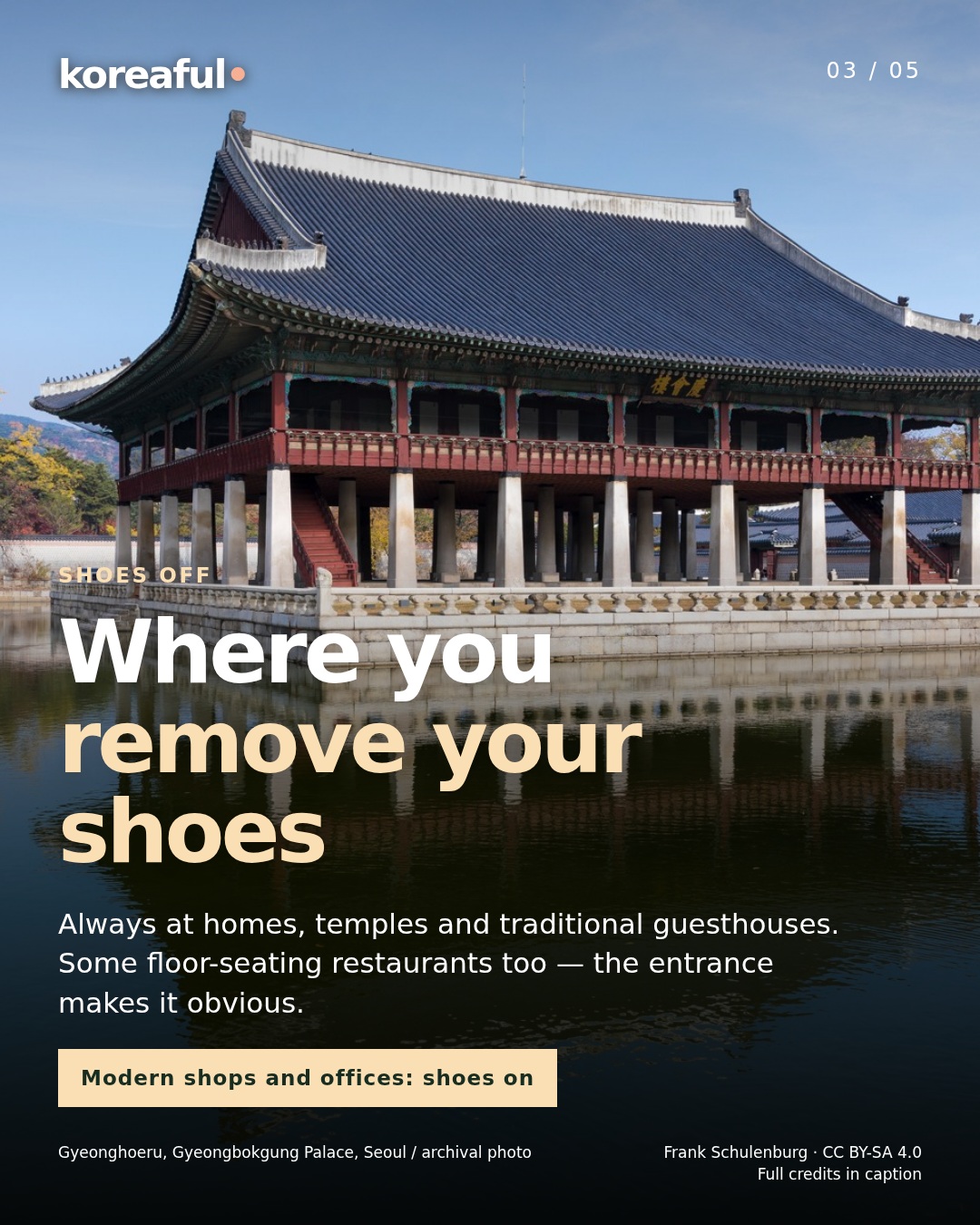
Removing shoes before entering a Korean home is not optional — it is a firm expectation, and you will usually see a clear shoe area near the entrance as a physical reminder. The same rule applies when entering temple buildings and traditional guesthouses. You will often be offered slippers inside; use them rather than walking on floor surfaces in socks alone.

Photo credit
Frank Schulenburg / CC BY-SA 4.0. Resized/cropped for display; the photograph retains its license.

Some restaurants with low floor seating and traditional table arrangements also ask diners to remove their shoes. The entrance will usually make this obvious — there will be a step up to the seating area and a place to leave footwear. At Buddhist temples, remove shoes before entering any building on the grounds, not just the main hall.
Modern restaurants, cafes, shops and most public buildings operate with shoes on. The rule is specific to residences, religious buildings, guesthouses and certain traditional dining spaces — not Korea broadly.
Official reference: english.visitseoul.net · english.visitseoul.net
Dining: The table rules that actually matter
A Korean meal is typically served all at once rather than in courses — rice, soup and several shared side dishes arrive together. The first and most visible rule is to wait for the most senior person at the table to pick up their utensils before you begin eating. This is not ceremonial: it is simply standard practice in most Korean households and many restaurants.
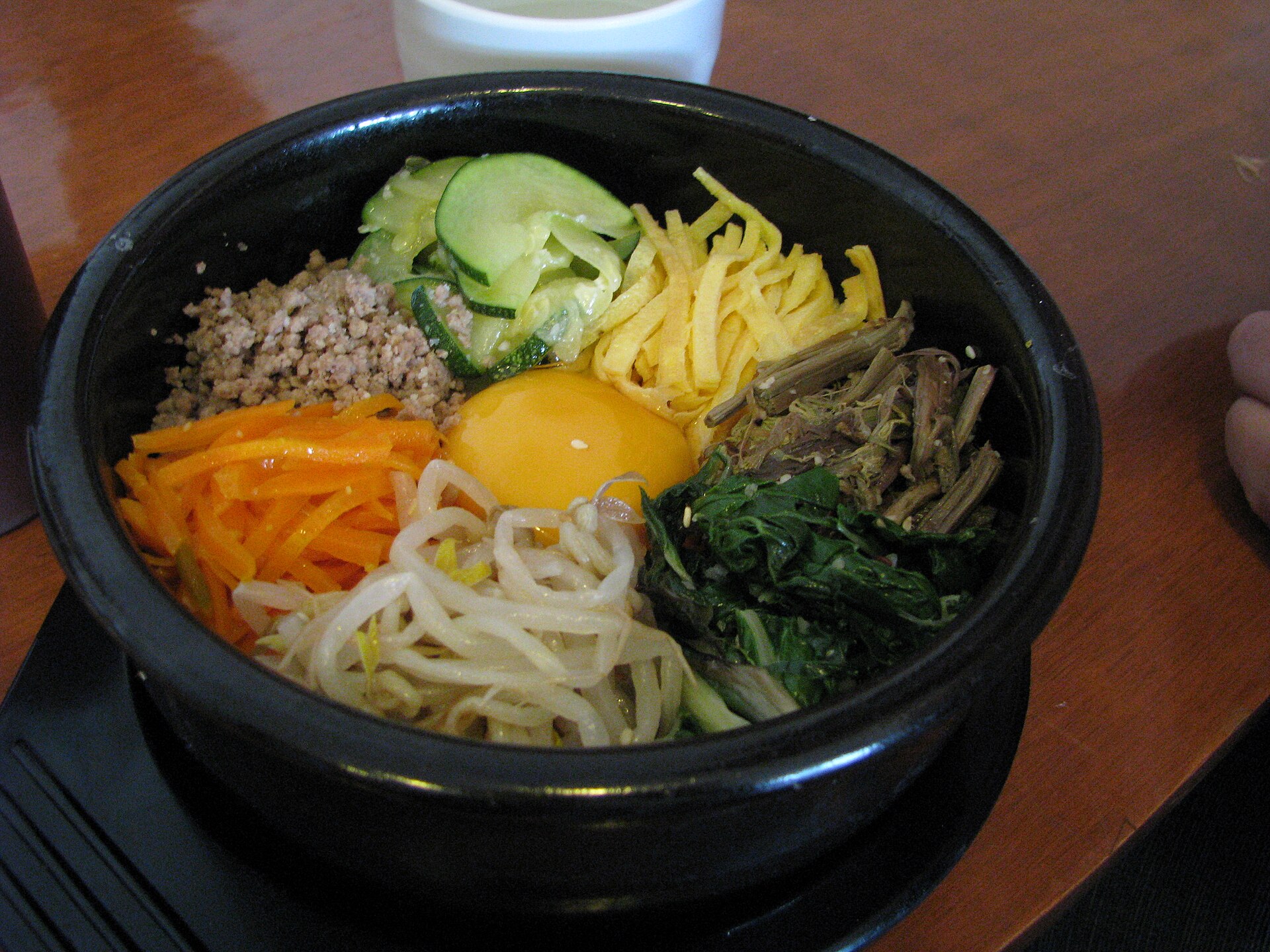
Photo credit
Jerine Lay / CC BY 2.0. Resized/cropped for display; the photograph retains its license.

Use a spoon to eat rice, not chopsticks. This surprises visitors from other East Asian backgrounds where chopsticks are the default for everything, but in Korean table culture the spoon and chopsticks have distinct roles. The Korea.net table manners guide specifically notes that you should not stick chopsticks upright in a bowl of rice — that gesture mimics offerings made for the dead in funeral rites, and it carries a sharp association that makes it genuinely jarring at a meal. When you finish, return your chopsticks and spoon to their original resting position rather than leaving them propped in the bowl.
The same Korea.net source notes that you should not lift your soup or rice bowl off the table while eating — Korean dining etiquette keeps bowls on the table surface, which is a key difference from Japanese table customs. Avoid blowing your nose at the table; it is considered disruptive in a way that picking one's teeth quietly is not.
For drinks, the rule is parallel to the general two-hands principle: let someone else pour for you rather than pouring your own drink. Pour for others using two hands on the bottle or with the free hand supporting your pouring arm. The most senior person at the table drinks first. If you are junior to someone you are drinking with, it is traditional to turn your head slightly to the side when drinking — a small gesture of deference that you will notice Koreans making naturally.
Official reference: english.visitseoul.net · www.korea.net
Two hands: Why it matters and when you will need it
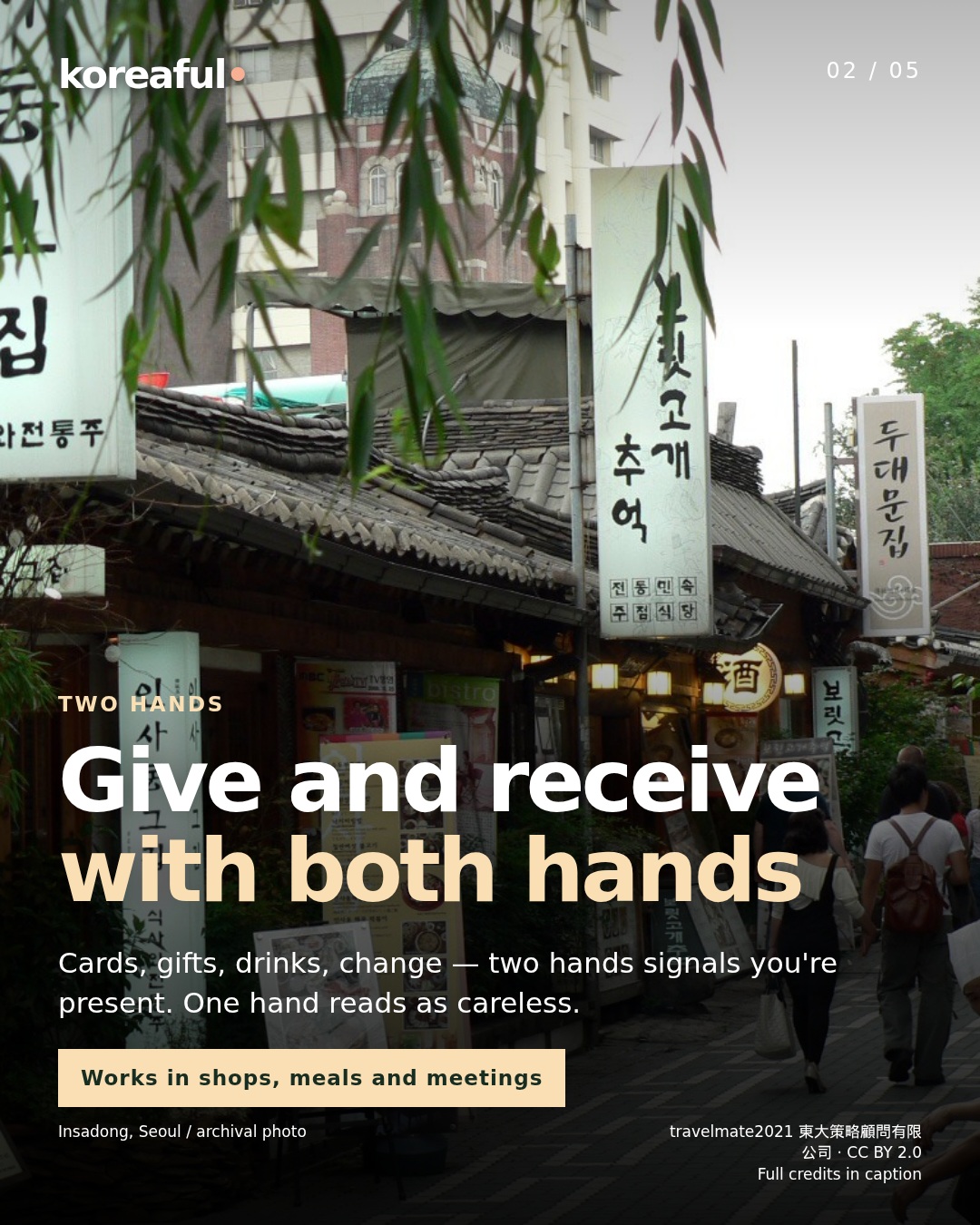
The single most transferable etiquette habit in Korea is using both hands when giving or receiving anything. The Visit Seoul etiquette guide states this directly: give and receive any object using both hands. This applies to a business card, a gift, a drink being poured, change from a cashier, or an item passed across a table.
The reasoning is not ceremonial but communicative. A one-handed gesture suggests inattention or casualness; a two-handed gesture signals that you are present and that the exchange matters to you. In a culture where attention to others is a primary social value, the difference registers — even in a brief shop transaction.
In practice, you can also offer or receive with one hand while the other lightly touches your own wrist or forearm. This supported variation is equally respectful and is what you will often see in slightly more casual settings. Either way, the principle is the same: use your body to show that the exchange has your full attention.
Official reference: english.visitseoul.net
Seoul subway: Priority seats and boarding order
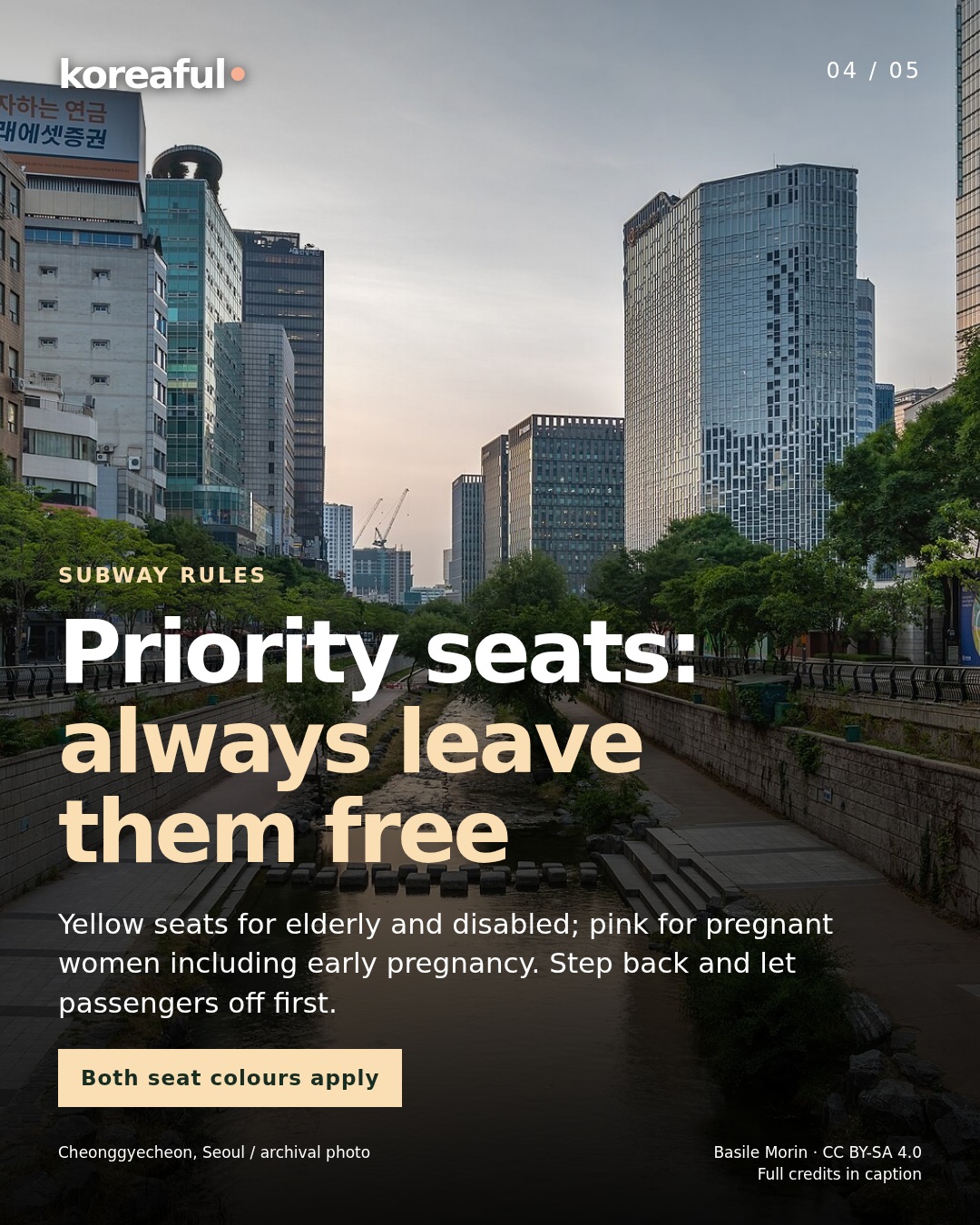
The Seoul subway is one of the most used public transit systems in the world, and its etiquette norms reflect that scale. According to the Visit Seoul public transport guide, approximately 30 percent of all subway seats are designated priority seats. Yellow seats are reserved for the elderly, people with disabilities, passengers with infants, and patients. Pink seats are reserved for pregnant women, including those in early pregnancy who may not look visibly pregnant. Both types should be left completely vacant — not sat in temporarily, not occupied while checking your phone.
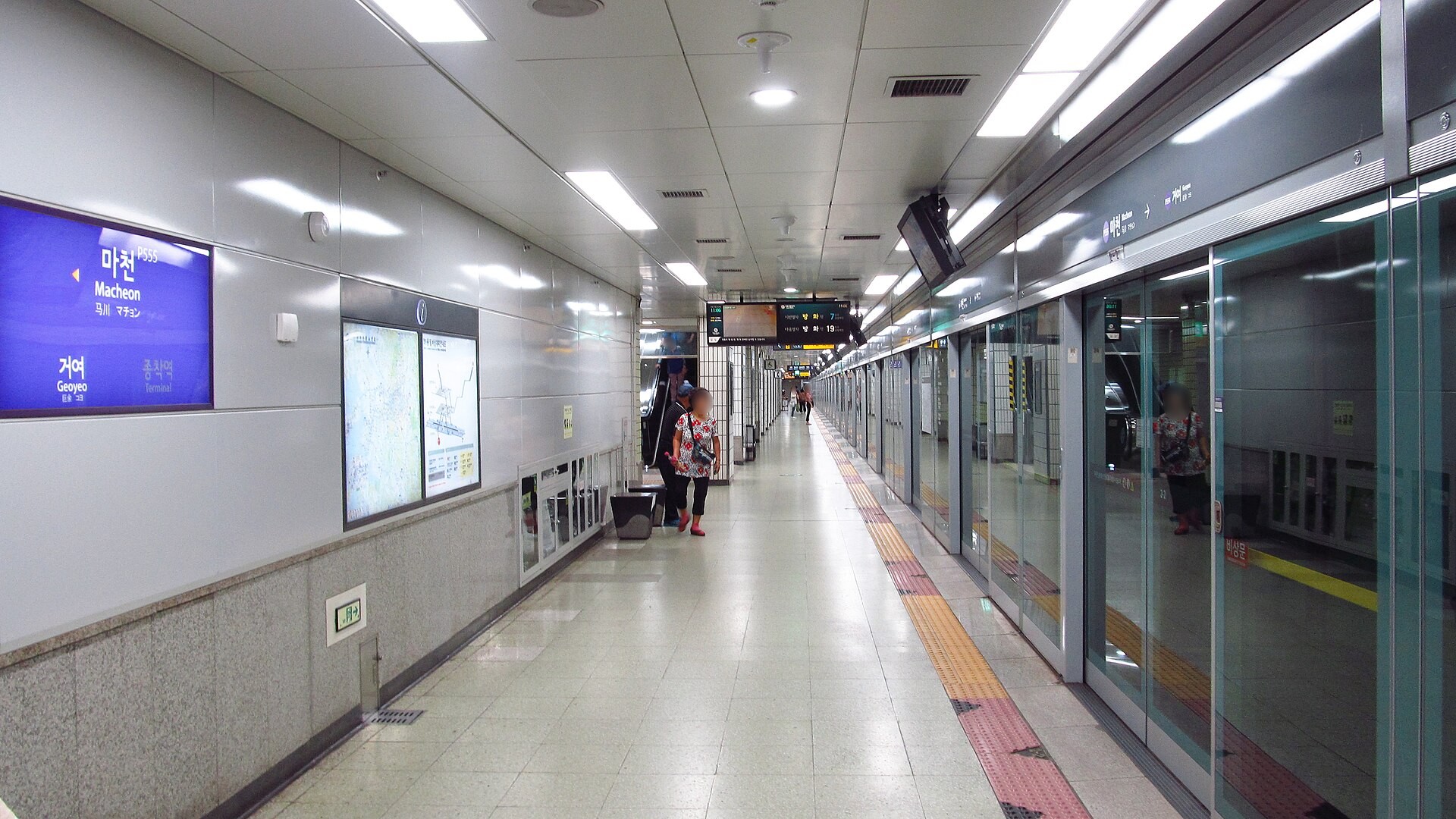
Photo credit
LERK / CC BY-SA 4.0. Resized/cropped for display; the photograph retains its license.

Boarding order is also a visible norm. When the doors open, step back and wait for all passengers to exit before you board. On a busy platform you will see passengers form loose queues to the sides of the doors. Cutting through exiting passengers is the behaviour most likely to draw a look of visible disapproval.
If you are carrying a large backpack, wear it in front or hold it at your side in a crowded car. The Visit Seoul guide specifically flags bulky backpacks as a source of friction — they take up space and can catch or damage other passengers' belongings when you turn. This is a small adjustment that makes an immediate difference in a packed carriage.
Seoul buses since 2018 have had a ban on take-out beverages aboard, and drinks that can spill or have strong smells are discouraged on both buses and the subway.
Official reference: english.visitseoul.net
Public spaces: Volume, pointing and photography
Korea's cities are not silent, but the expectation in most public spaces — particularly on public transport and in quieter commercial areas — is that voices stay at a moderate level. If you are speaking a foreign language loudly in a confined space, that is likely to register more than the same volume would at home. Phone calls on the subway are generally kept brief and quiet.
Pointing at people is considered rude, and the Visit Seoul etiquette guide specifically advises against it. If you need to indicate a direction or draw someone's attention, use an open hand gesture rather than an extended finger. Public displays of affection beyond holding hands are still generally frowned upon, though this varies somewhat by neighbourhood and age group.
Ask before photographing strangers in markets, traditional villages or residential areas. In tourist-heavy places like Bukchon Hanok Village, photography of residents going about their daily lives has become a genuine quality-of-life issue, and many neighbourhoods have posted requests for considerate behaviour.
Official reference: english.visitseoul.net
What you can safely ignore: Overblown online warnings
Several etiquette points circulate online in forms that are more alarming than the reality warrants. Eye contact during conversation is normal in Korea — avoiding it is actually more likely to seem odd than maintaining it. Tipping is genuinely not customary in most Korean settings, but the Visit Seoul guide notes that some people may receive it while others may decline; there is no social crisis either way, just follow the flow. There is no rigid ritual around who speaks first, how you must angle your body during every conversation, or whether you must refuse food three times before accepting.
The Visit Seoul etiquette guide is explicit that Koreans are 'a friendly, understanding people' who give foreigners a pass on cultural missteps made out of ignorance rather than disrespect. The goal before your trip is not to memorise an exhaustive rulebook but to arrive knowing the handful of moments — a two-handed exchange, shoes off at the door, waiting for the senior to eat first, leaving priority seats free — where a small deliberate gesture makes a real positive impression.
Official reference: english.visitseoul.net · english.visitseoul.net
Sources and trip notes
Official information checked 20 September 2026. Routes are editorial suggestions. Check date-specific conditions with the operator before travel; photographs are archival.
- Korean Etiquette | Official Seoul City Tourism | The Official Travel Guide to Seoul
- Etiquette | The Official Travel Guide to Seoul
- Public Transportation Etiquette in Korea | Official Seoul City Tourism
- [While in Korea] Episode 7 – Table manners : Korea.net : The official website of the Republic of Korea
TAKE THE SHORT VERSION WITH YOU
Your trip highlights, ready to save.
Yellow seats for elderly and disabled; pink for pregnant women including early pregnancy. Step back and let passengers off first.
Save the highlights or send them to your travel buddy.

Seoul · 5-CARD GUIDE
Korean Cultural Etiquette: What First-Time Visitors Actually Need to Know Before They Arrive
Yellow seats for elderly and disabled; pink for pregnant women including early pregnancy. Step back and let passengers off first.
Photo credits
Korean etiquette isn't a minefield — but a few gestures genuinely matter.
The single most useful habit: use both hands whenever you give, receive or pour anything. A business card, a drink, change from a cashier — two hands signals you're present and paying attention.
At the dining table, wait for the most senior person to eat first, use a spoon for rice (not chopsticks), and never plant chopsticks upright in a bowl — that gesture is associated with funeral rites.
On the Seoul subway, yellow and pink priority seats should stay completely vacant, and always let all passengers off before you board.
Save this before your trip — or send it to whoever you're going with.
Which of these did you already know, and which one surprised you?
#KoreanEtiquette #SeoulTravel #KoreaTravelTips #VisitKorea #KoreaFirstTimer
KEEP THE GOOD FINDS
This could be part of your Korea.
Save this guide alongside your other ideas. You can come back to compare, plan, or explore something new.