Seoul Museums Best: Which Collection Fits Your Time and Interests?
Seoul has dozens of museums, but three stand out for foreign visitors with limited time. The National Museum of Korea offers a free, sweeping overview of Korean history. Leeum Museum of Art showcases contemporary and traditional art in architecturally striking buildings. The National Folk Museum, inside Gyeongbokgung grounds, explains everyday Korean life across centuries.
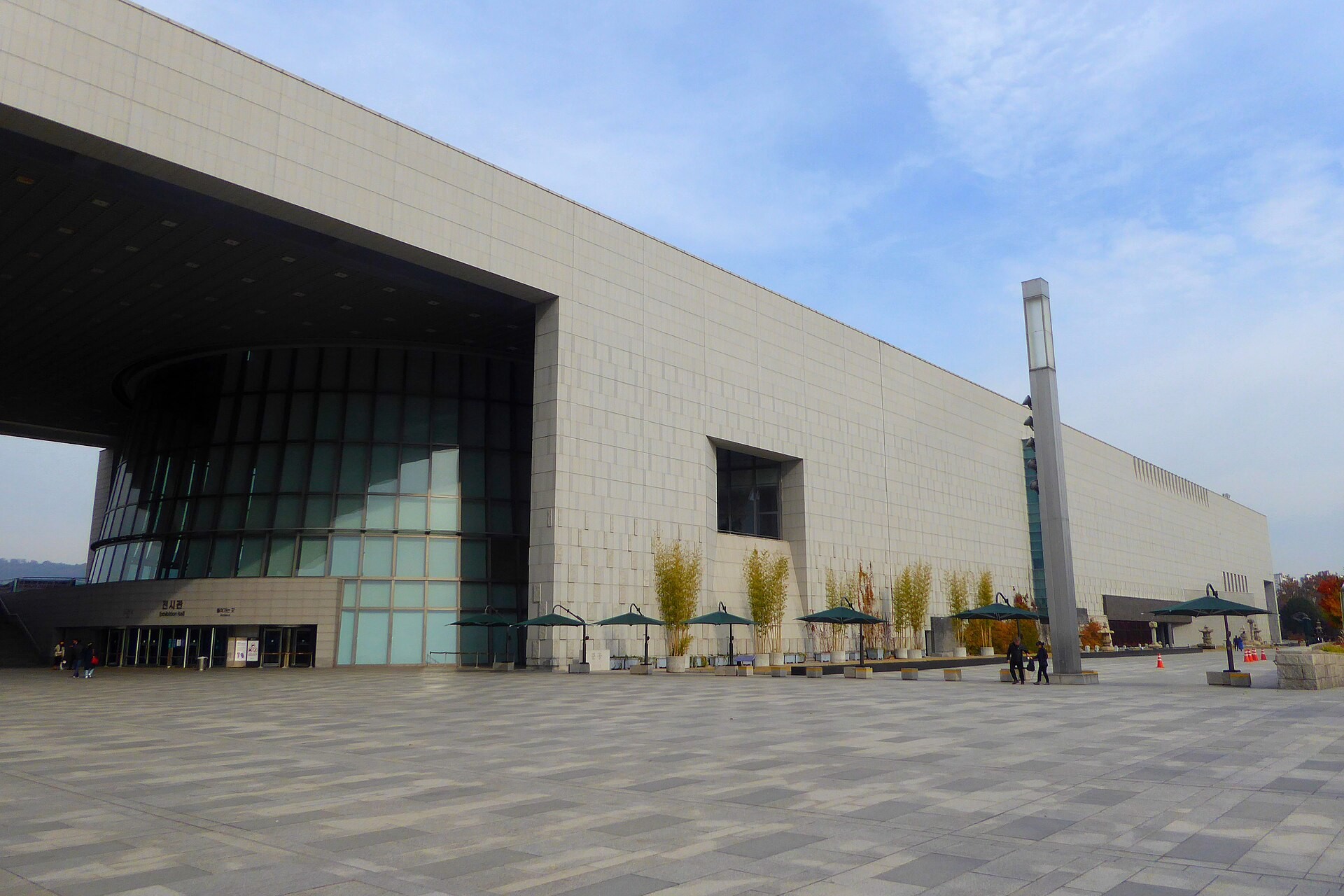
Photo credit
Ethan Doyle White / CC BY-SA 4.0. Resized/cropped for display; the photograph retains its license.

National Museum of Korea: Free Admission and Flexible Hours
The National Museum of Korea is the country's flagship cultural institution, housing artifacts spanning six thousand years. Permanent exhibitions are free, making it an easy first stop for visitors on any budget.
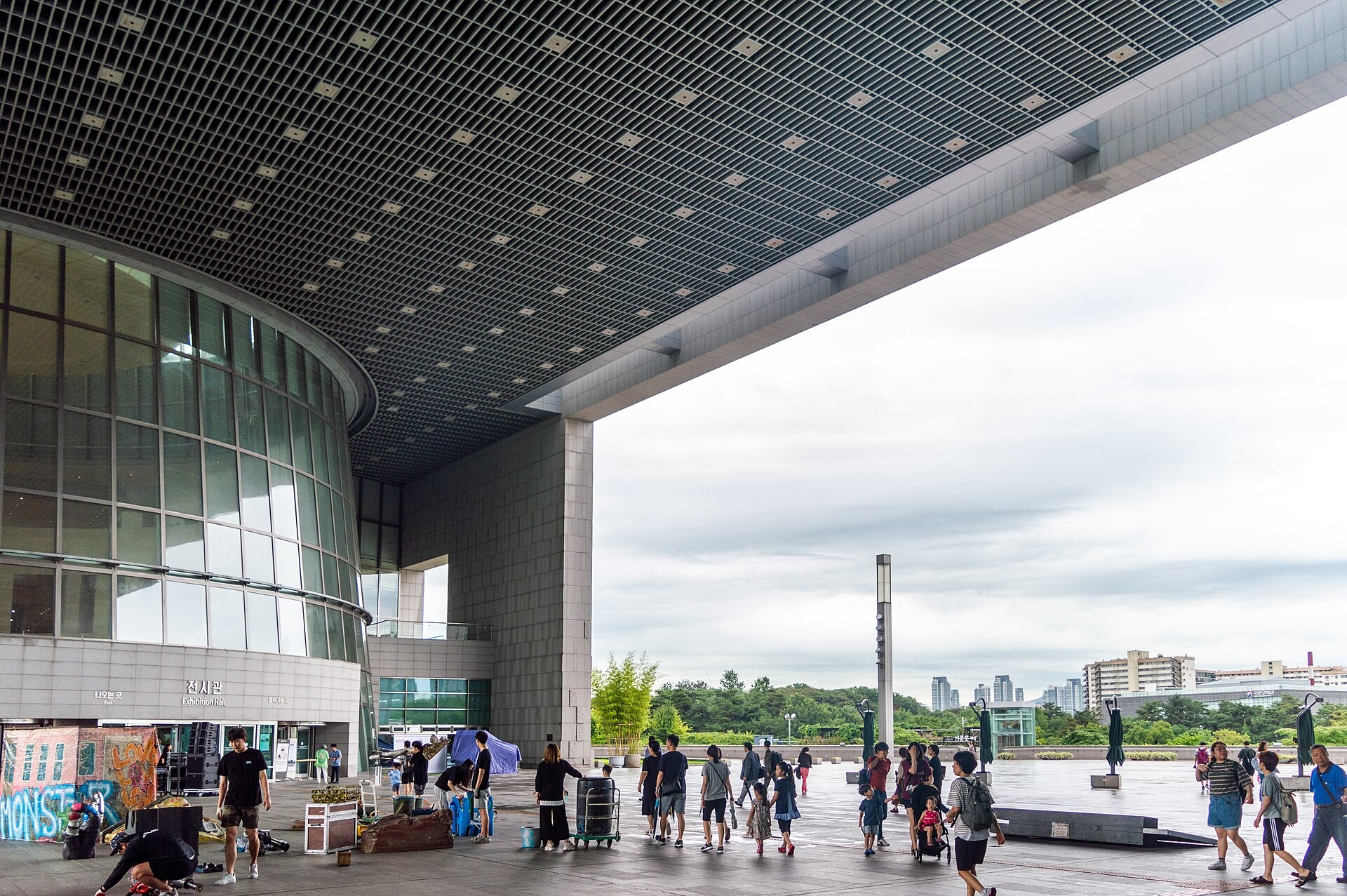
Photo credit
Tristan Surtel / CC BY-SA 4.0. Resized/cropped for display; the photograph retains its license.

Opening hours run from 09:30 to 17:30 on most days, with extended hours until 21:00 on Wednesdays and Saturdays. Admission closes thirty minutes before the museum does, and staff guide visitors toward the exit ten minutes before closing. Plan to arrive at least ninety minutes before closing for a meaningful visit.
The museum sits in Yongsan, accessible by subway. Its collection covers prehistoric tools, Buddhist sculpture, celadon ceramics and Joseon-era court paintings. Temporary exhibitions may charge separate admission.
The permanent collection is organized chronologically, starting with prehistoric stone tools and progressing through the Three Kingdoms period, Goryeo celadon and Joseon court culture. Visitors with limited time should focus on the ground floor galleries, which cover the most significant periods in about ninety minutes.
Official reference: www.museum.go.kr
Leeum Museum of Art: Architecture Meets Traditional and Contemporary Collections
Leeum Museum of Art, operated by the Samsung Foundation of Culture, occupies three connected buildings in the Itaewon neighborhood. The buildings were designed by Mario Botta, Jean Nouvel and Rem Koolhaas, each housing a different part of the collection.
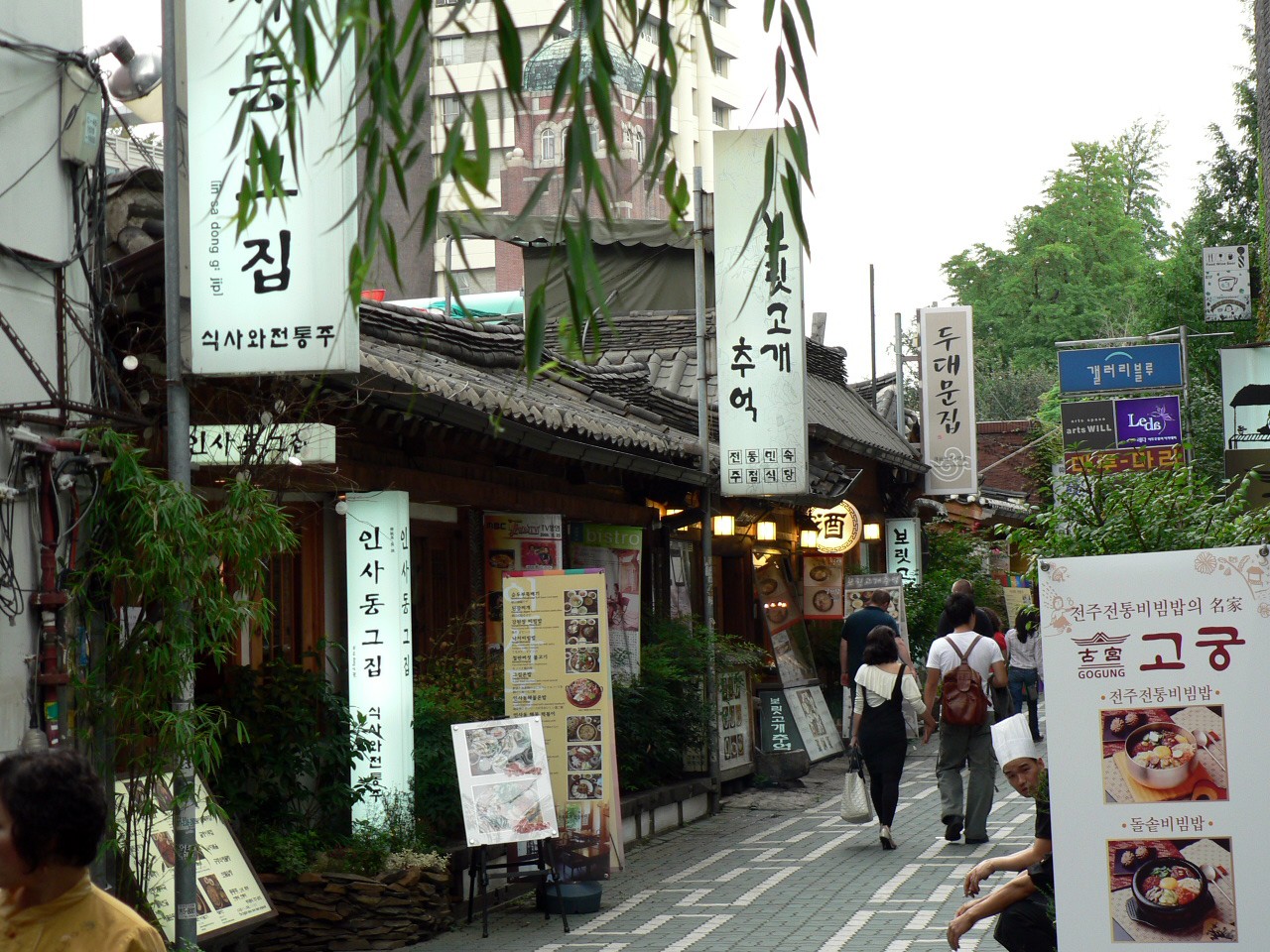
Photo credit
travelmate2021 東大策略顧問有限公司 / CC BY 2.0. Resized/cropped for display; the photograph retains its license.

One wing holds traditional Korean art including celadon and white porcelain. Another presents contemporary works by Korean and international artists. The architecture itself is part of the experience, with each building offering a distinct spatial character.
Leeum sits on a hillside near Itaewon Station, within walking distance of restaurants and cafes. Check the official website for current exhibition schedules before visiting, as some galleries rotate.
The museum reopened after renovation and now offers a more spacious layout that connects the traditional and contemporary wings. Photography policies vary by exhibition, so check at the entrance. The surrounding Itaewon neighborhood offers diverse dining options after your visit, from Korean barbecue to international restaurants.
Official reference: english.visitseoul.net
National Folk Museum: Korean Daily Life Inside Gyeongbokgung
The National Folk Museum of Korea sits within the Gyeongbokgung Palace grounds. Its exhibitions trace everyday Korean life from farming tools and household objects to seasonal customs and traditional clothing.
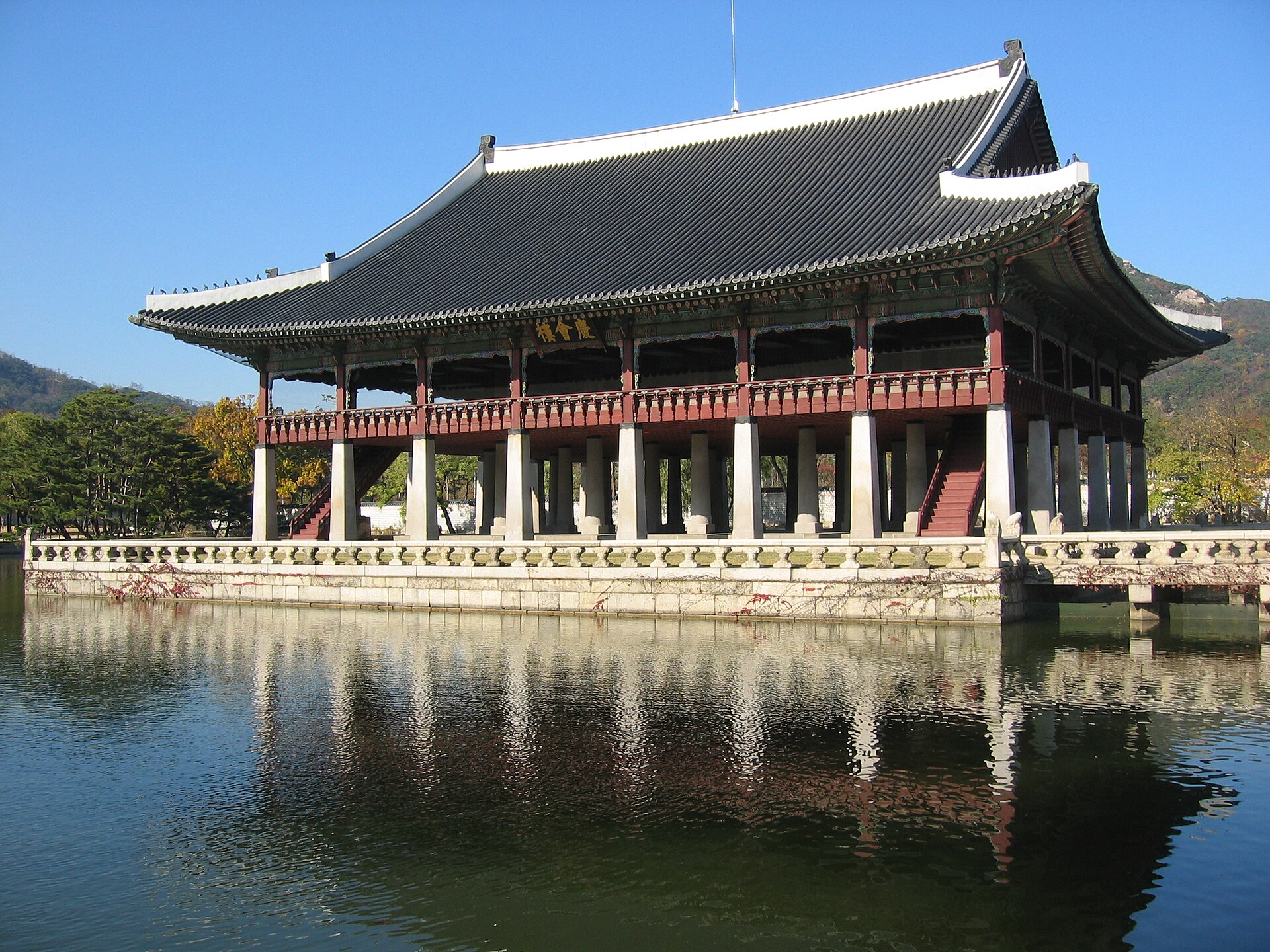

Because the museum is inside the palace complex, you can visit it on the same trip as Gyeongbokgung without a separate ticket. The outdoor exhibition area displays traditional buildings and artifacts that give context to what you see indoors.
This museum works well for visitors who want to understand how ordinary Koreans lived, rather than viewing royal or religious artifacts. Allow about sixty to ninety minutes.
The outdoor exhibition space behind the main building includes reconstructed traditional homes, a wooden totem pole and stone monuments. These give visitors a tangible sense of how rural Korean life was structured before urbanization. The area is worth fifteen to twenty minutes on its own.
Official reference: english.visitseoul.net
Which Museum Fits Your Schedule
If you have only one museum day, the National Museum of Korea gives the broadest overview and costs nothing. Wednesday or Saturday evenings are ideal because the extended hours let you visit after a full day of sightseeing.
Art enthusiasts should prioritize Leeum for its architectural setting and curated contemporary program. History-focused visitors who are already planning a Gyeongbokgung visit can add the Folk Museum without detour.
All three museums close on different days and holidays. Check each museum's official page before finalizing your itinerary to avoid arriving on a closure day.
| Museum | Admission | Best For | Nearest Station |
|---|---|---|---|
| National Museum of Korea | Free (permanent) | Broad Korean history overview | Yongsan / Ichon |
| Leeum Museum of Art | Check official site | Contemporary art and architecture | Itaewon / Hangangjin |
| National Folk Museum | Included with Gyeongbokgung | Daily Korean life and customs | Gyeongbokgung |
Official reference: www.museum.go.kr · english.visitseoul.net
Getting to Seoul's Museum District
Seoul's subway system connects all three museums. The National Museum of Korea is near Ichon Station on Line 4 and the Jungang Line. Leeum is a short walk from Hangangjin Station on Line 6. Gyeongbokgung Station on Line 3 serves both the palace and the Folk Museum.
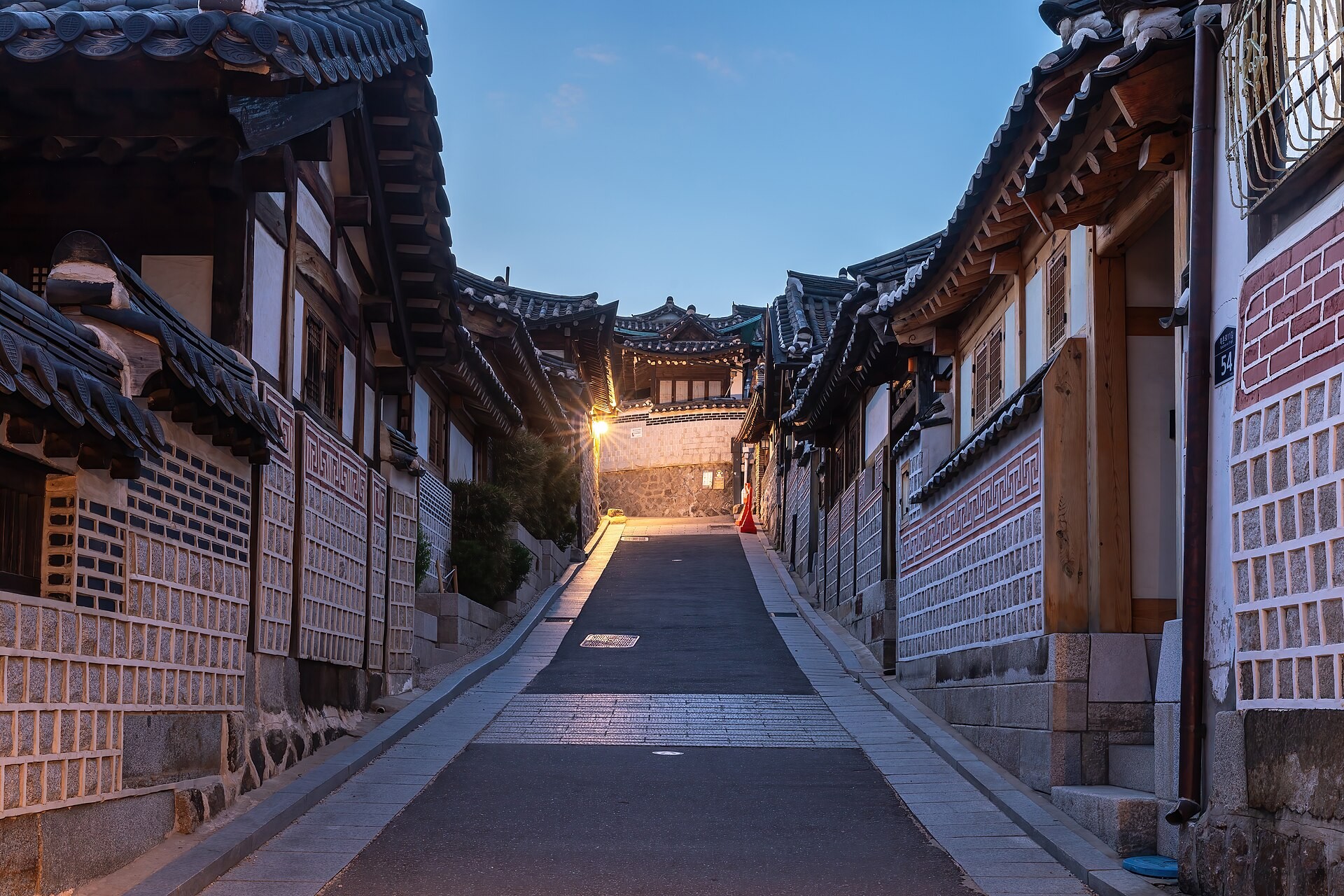
Photo credit
Basile Morin / CC BY-SA 4.0. Resized/cropped for display; the photograph retains its license.

Consider visiting two museums in one day if they are on the same subway line. The National Museum and Leeum are both south of the Han River and can be combined with a transfer. The Folk Museum pairs naturally with a Gyeongbokgung walk and the nearby Bukchon Hanok Village.
The Bukchon Hanok Village, a short walk from Gyeongbokgung, makes a natural extension after the Folk Museum visit. The traditional tile-roofed houses are residential, so be respectful of noise levels. For a quieter alternative, Cheonggyecheon Stream runs through central Seoul and offers a flat, shaded walking path between museum visits.
Official reference: english.visitseoul.net
Sources and trip notes
Official information checked 19 September 2026. Routes are editorial suggestions. Check date-specific conditions with the operator before travel; photographs are archival.
KEEP THE GOOD FINDS
This could be part of your Korea.
Save this guide alongside your other ideas. You can come back to compare, plan, or explore something new.