Korea Travel Essentials 2026
SIM cards, transport, money tips, accommodation & everything first-time visitors need to know.
Where will your Korea trip take you?
Eight routes for city breaks, coastal stays and journeys beyond Seoul.
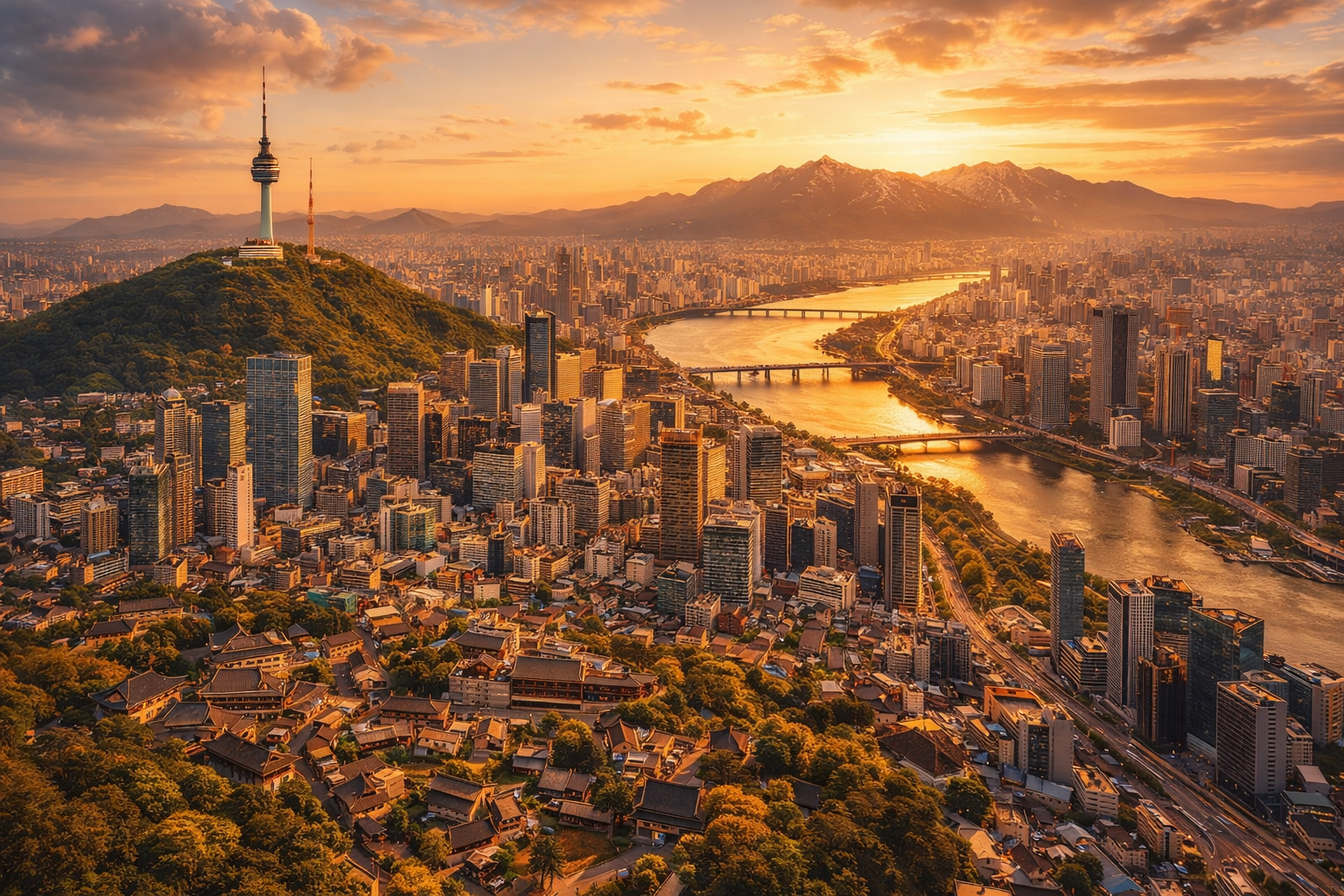
South Korea welcomed over 16 million international visitors in 2025, making it one of Asia’s most popular travel destinations. From the neon-lit streets of Seoul to the serene temples of Gyeongju, Korea offers a unique blend of ancient culture and cutting-edge modernity.
This guide covers the essential travel logistics every visitor needs — SIM cards, transportation, insurance, adapters, and practical tips for a smooth trip.
Before You Go: Essentials
SIM Card & Internet
Staying connected in Korea is essential for navigation, translation, and payments. You have three options:
| Option | Cost | Best For |
|---|---|---|
| eSIM | $10-25 (7-30 days) | Most travelers. Instant activation, no physical card needed. |
| Physical SIM | $20-40 (7-30 days) | Older phones without eSIM support. |
| Pocket WiFi | $3-8/day rental | Groups sharing one device. |
eSIM guide → | SIM card comparison →
Travel Insurance
Korea’s medical costs are reasonable, but travel insurance is still essential — a hospital visit without insurance can cost $500+. Most travel insurance policies cover Korea, but check that your plan includes:
- Emergency medical coverage ($100,000+ recommended)
- Trip cancellation/interruption
- Lost luggage
- If you’re coming for medical tourism, verify that elective procedures are covered (most aren’t by standard policies)
Power Adapter
Korea uses Type C and Type F plugs (European-style round pins) at 220V / 60Hz. If you’re coming from the US, UK, or Australia, you’ll need an adapter. Most convenience stores sell them for ₩3,000-5,000 ($2-4). Adapter guide →
Getting Around Korea
T-money Card
Korea’s universal transit card works on subways, buses, taxis, and even convenience stores. Buy one at any subway station or convenience store for ₩4,000 ($3) and recharge as needed. T-money guide →
Seoul Subway
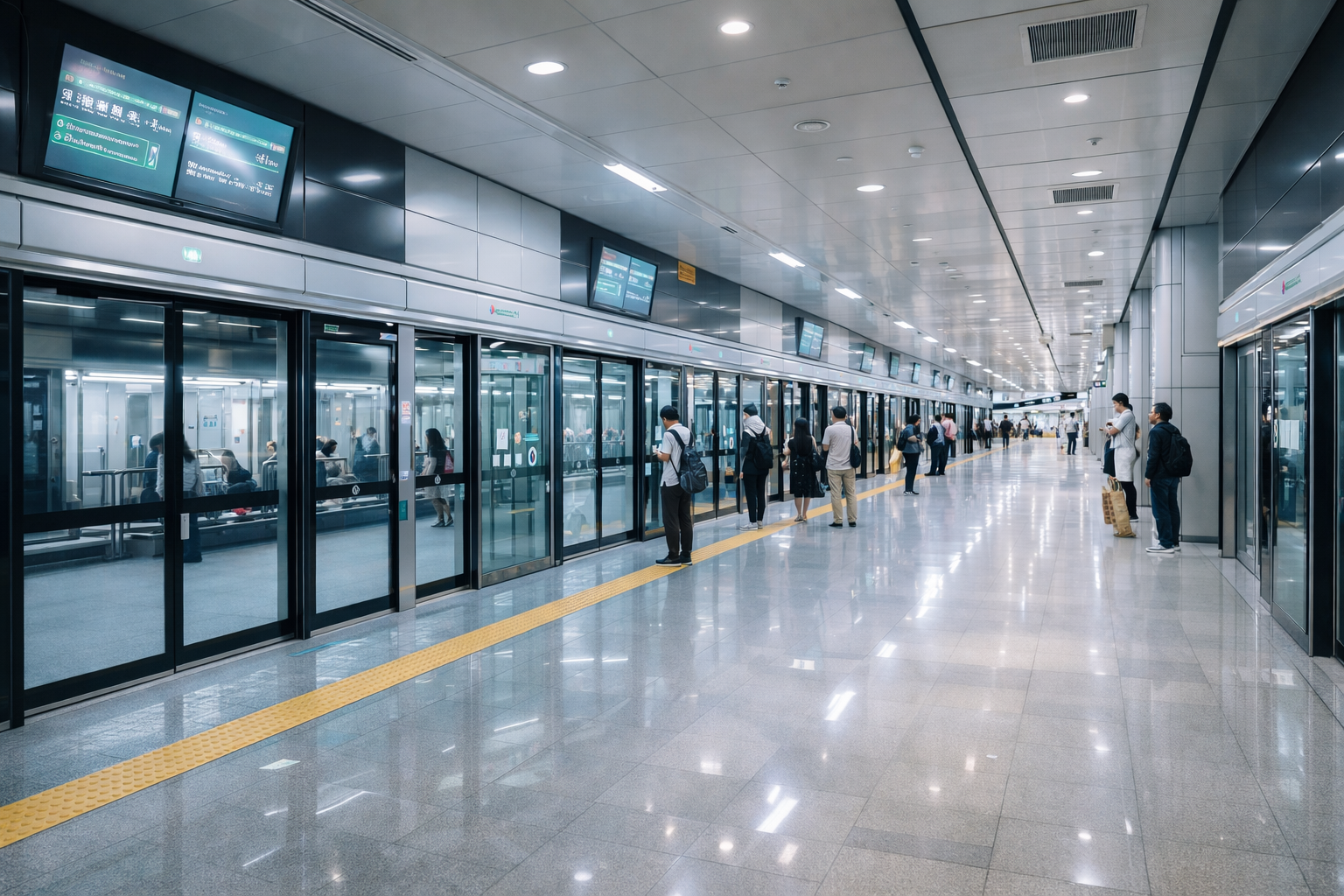
One of the world’s best metro systems — clean, safe, punctual, and extensive. 23 lines covering the entire Seoul metropolitan area. Announcements in Korean, English, Chinese, and Japanese. Basic fare: ₩1,400 ($1.05).
KTX (High-Speed Rail)
Korea’s bullet train connects Seoul to Busan in just 2.5 hours (vs. 4.5 hours by car). Also serves Daejeon, Daegu, Gwangju, and other major cities. Book on the Korail app or website.
Taxis
Affordable and safe. Base fare: ₩4,800 ($3.60). Use the Kakao T app for easy hailing with automatic translation. Tipping is not expected.
Intercity Buses
Comfortable and budget-friendly for traveling between cities. Express buses connect all major cities from Seoul’s Express Bus Terminal.
Money & Payments
- Currency: Korean Won (₩). $1 ≈ ₩1,330 (2026)
- Cards accepted everywhere — Korea is nearly cashless. Visa and Mastercard work at 99% of businesses.
- Cash still useful for — Traditional markets, street food vendors, small local restaurants
- ATMs: Available at every convenience store (GS25, CU, 7-Eleven). Look for “Global ATM” logo.
- Currency exchange: Best rates at Myeongdong money changers, not airport or banks.
Where to Stay
| Area | Best For | Budget (per night) |
|---|---|---|
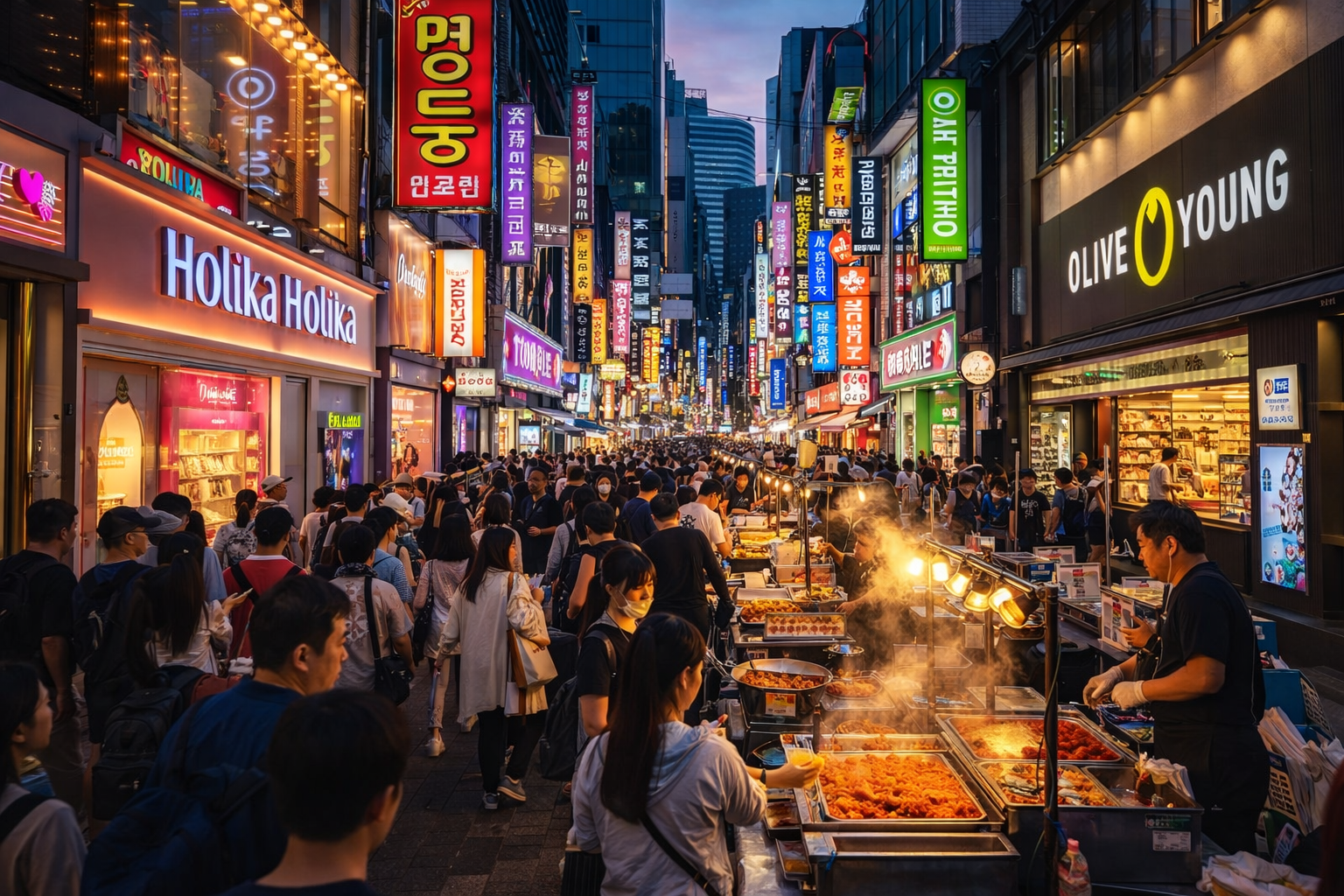
| Myeongdong | Shopping, central location, first-timers | $50-$150 |
| Hongdae | Nightlife, young travelers, budget options | $30-$100 |
| Gangnam | Upscale dining, medical tourism, business | $80-$200 |
| Insadong | Traditional culture, temples, tea houses | $40-$120 |
| Itaewon/HBC | International food, English-friendly | $50-$130 |
Practical Tips
- Language: English is limited outside tourist areas. Download Papago (Korean translation app) — it’s far better than Google Translate for Korean.
- Tipping: Not customary and can be awkward. Don’t tip at restaurants, taxis, or hotels.
- Safety: Korea is one of the safest countries in the world. Violent crime is extremely rare. Solo female travelers are very safe.
- Toilets: Excellent. Even public restrooms are clean and well-maintained. Heated seats are common.
- Drinking water: Tap water is safe but most Koreans drink filtered or bottled water.
- Visa: Many nationalities get visa-free entry for 30-90 days. Check K-ETA requirements before booking.
Best Time to Visit
| Season | Months | Weather | Notes |
|---|---|---|---|
| Spring | Apr-May | 15-22°C, cherry blossoms | Best time to visit. Book early. |
| Summer | Jun-Aug | 25-35°C, monsoon season | Hot and humid. Cheapest flights. |
| Autumn | Sep-Nov | 10-22°C, fall foliage | Second best time. Great weather. |
| Winter | Dec-Feb | -5-5°C, dry and cold | Ski season. Fewer tourists. |
Next Steps
- Get an eSIM — Stay connected from day one
- Get travel insurance — Protect your trip
- Get a T-money card — Essential for transportation
- Explore Korean food — Must-try dishes and restaurants
- Medical tourism — If you’re combining treatment with travel
Explore All Travel Guides
Plan Your Korea Trip
From beauty treatments to street food — discover everything Korea has to offer.